
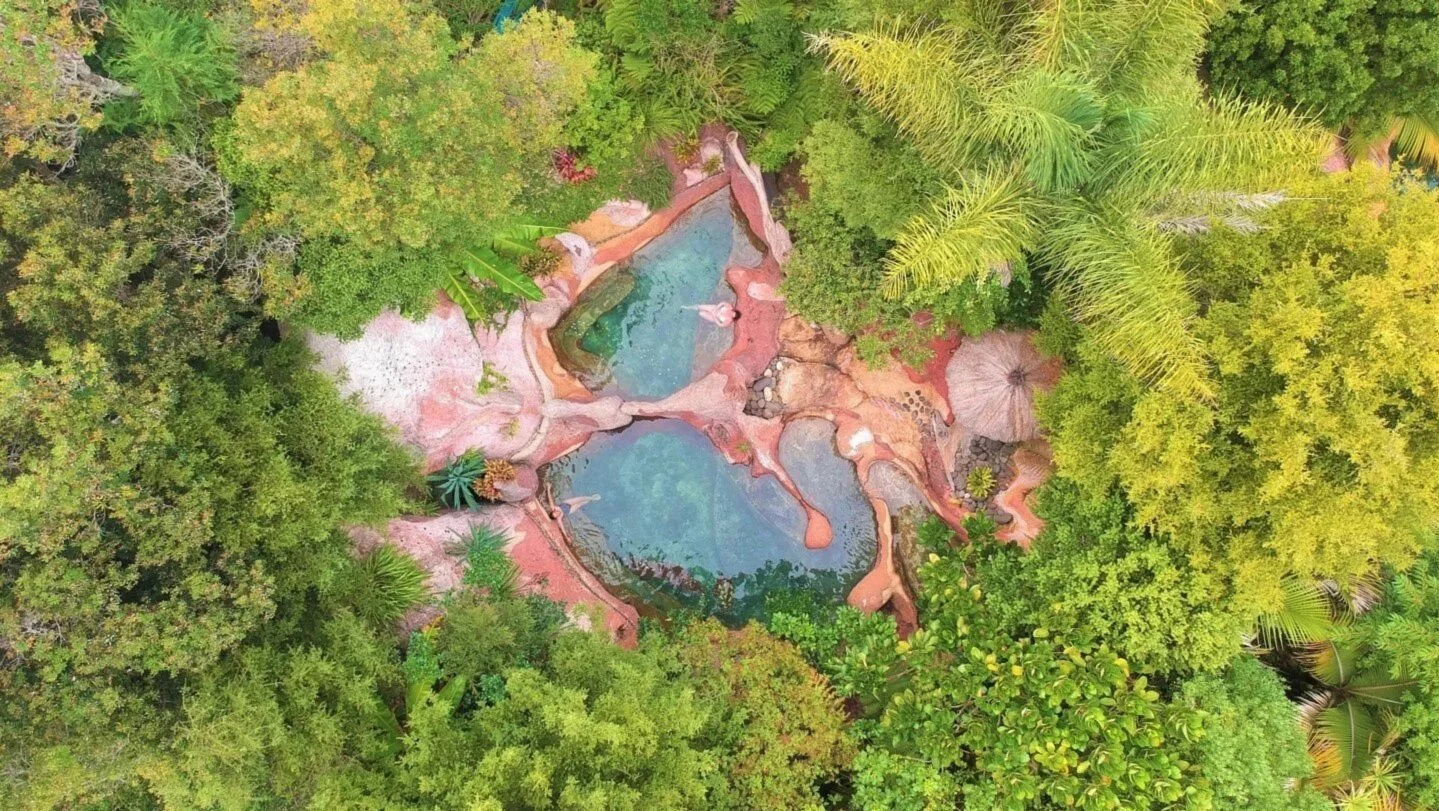
Our Story
From Campground to Geothermal Oasis
The Dream Begins
Long before the waterfalls, mineral pools, and tropical gardens, this land was known as the Buffalo Beach Tourist Park - a willow-lined camping ground in the heart of Whitianga.
In 1980, Alan and Trudi Hopping purchased the property after selling their dairy farm in Papakura. They came to run a campground, not to build a geothermal destination.
But Alan was fascinated by the Coromandel Peninsula’s thermal history and the stories of a lost healing spring that once bubbled into the Taputapuatea stream. The possibility lingered. What if there was mineral water beneath this land?
Curiosity became conviction. Conviction became a decades-long pursuit marked by setbacks, failed wells, sculpted landscapes, and an unwavering belief that the spring was there.
What followed was a 23-year journey that would transform a simple camping ground into The Lost Spring.

Listen to Our Story
Hear the journey of The Lost Spring
From Campground to Oasis

The Journey
1980
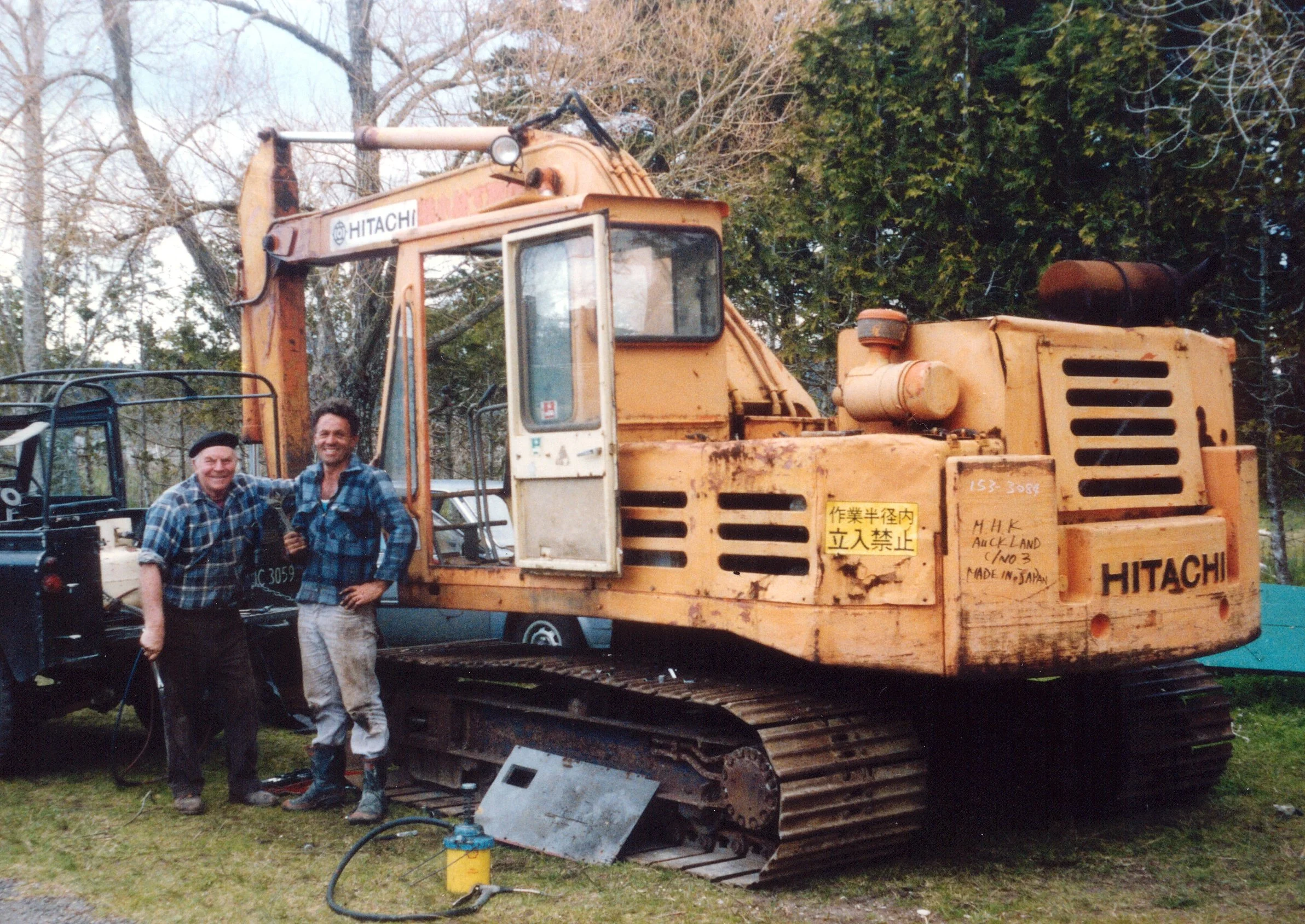
Alan and Trudi Hopping, dairy farmers from Papakura sold the family farm and purchased a Whitianga camping ground known as the Buffalo Beach Tourist Park. Fascinated by the Coromandel Peninsulas thermal history and inspired by local stories of a lost healing thermal spring that once bubbled up into the Taputapuatea stream, Alan believed there was hot water to be found.
1987
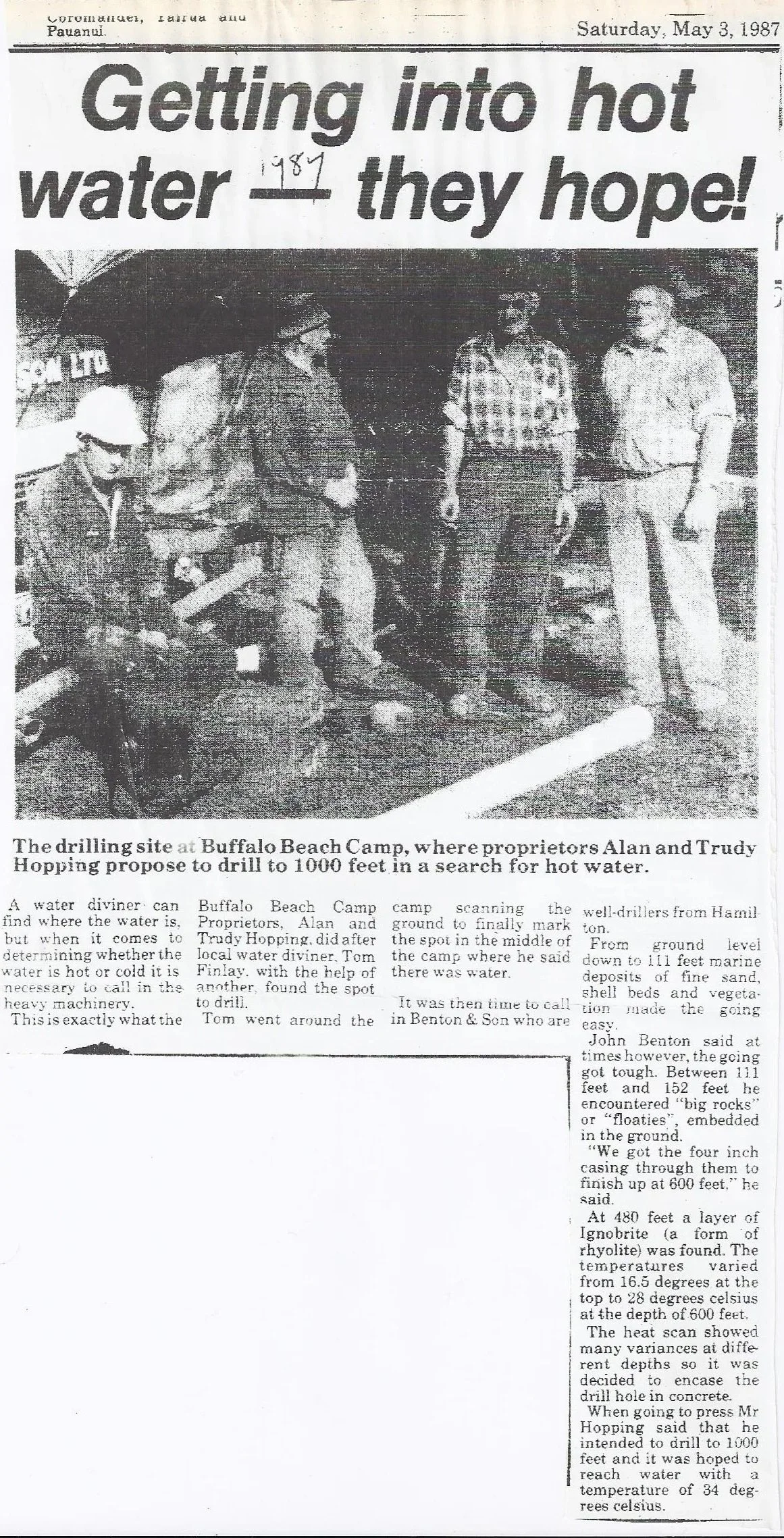
Alan and Trudi hired two different water diviners to go over the property. The first was a local character – Tom Finlay – he came armed with an old garden hose to find underground streams. He also had a piece of #8 wire to establish the depth of the stream, every time the wire bounced was a meter. If it was a big bounce the earth was soft, if it was a soft bounce, the earth was hard, and he had the kids count until the wire stopped at 110 meters. They knew there was water but did not know if it was hot.
The next thing Alan did was put up a sign in the camping ground over Christmas which read “Wanted – a diviner for hot water (not kidding)” and they found a man from Perth who doused for a Gold and Diamond Company. The douser said he could not tell hot water from cold water but that he could determine mineral water from fresh. After ten minutes surveying the 8-acre camping ground, he called Alan at his house and said come with me. He took him to a spot and said there is a stream here and it runs out to sea, and it is heavily mineralized. So, they placed concrete blocks along the course of the stream and the man left wishing Alan and Trudi the best of luck knowing that this was not a promise of hot water – just a possibility.
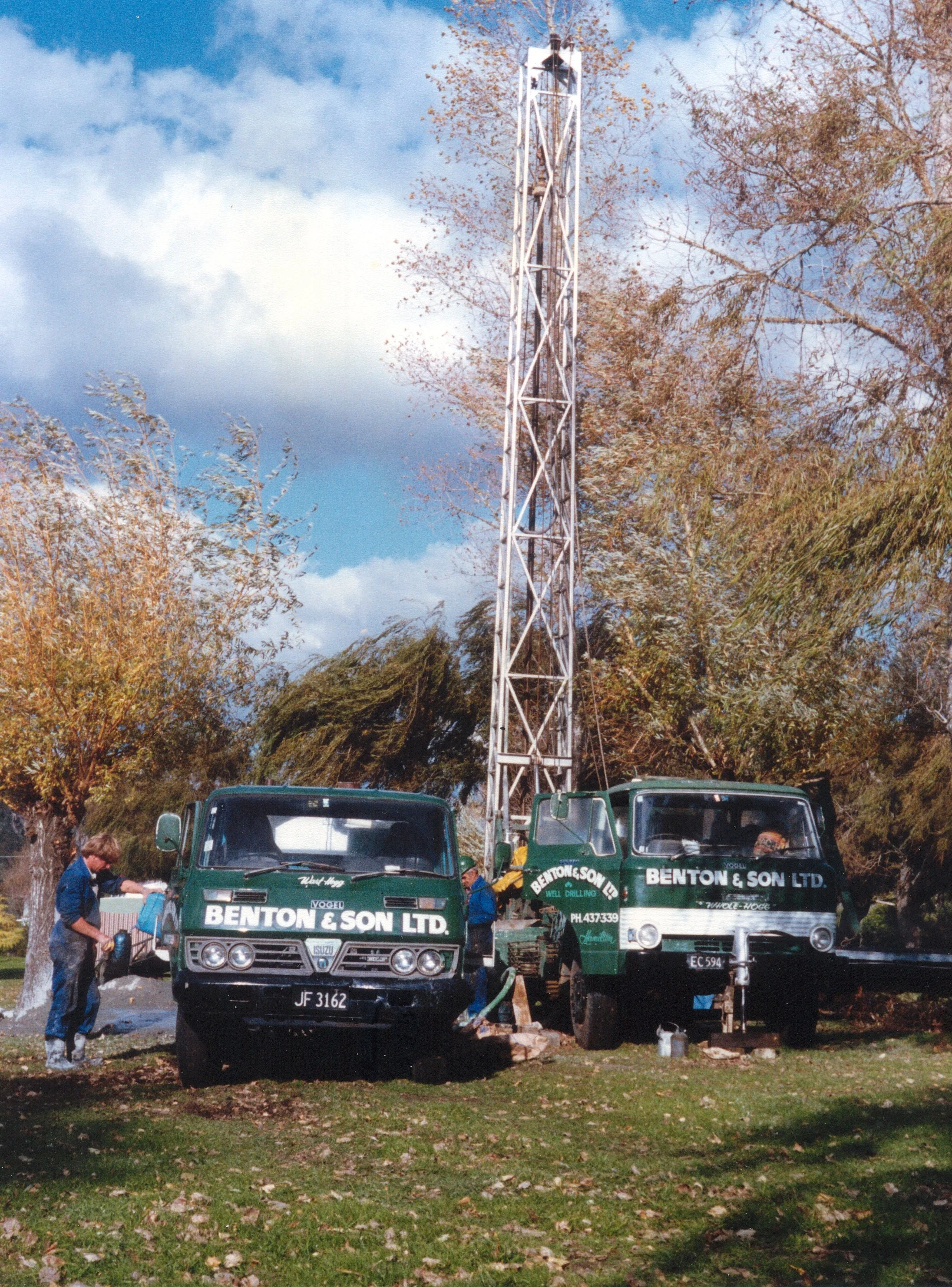
They drilled four wells.
The first well was a test to 325 meters, which had positive indications of a heat gradient and a reason to go on.
1989
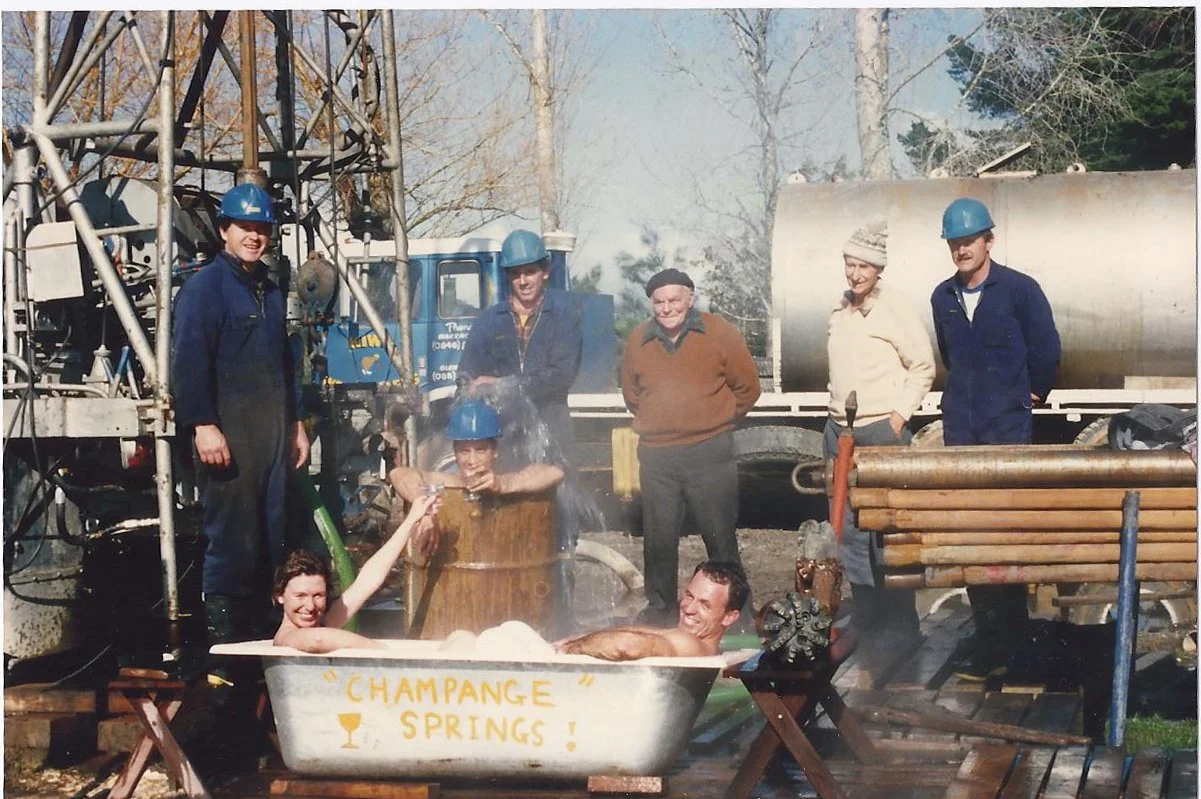
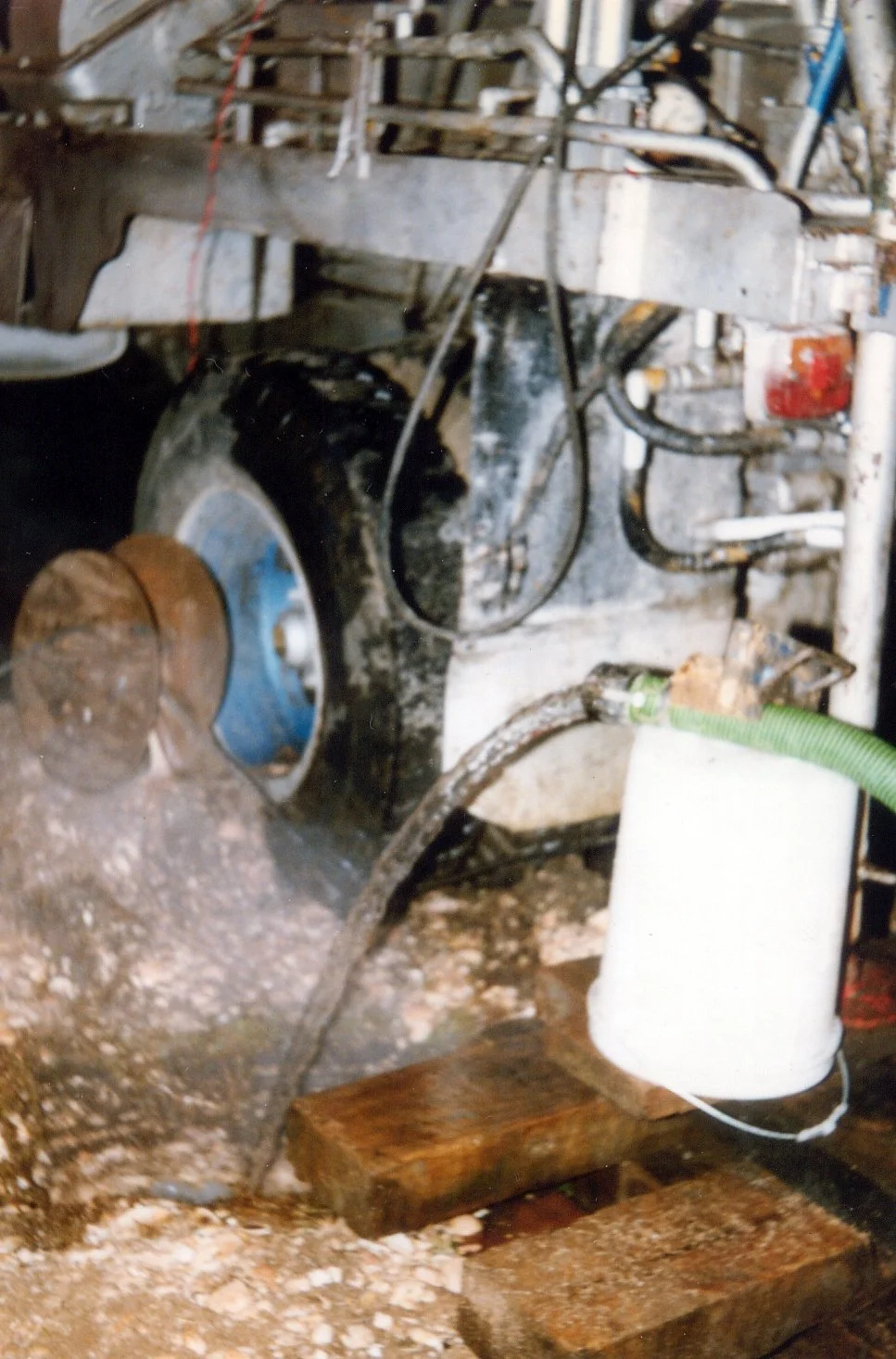
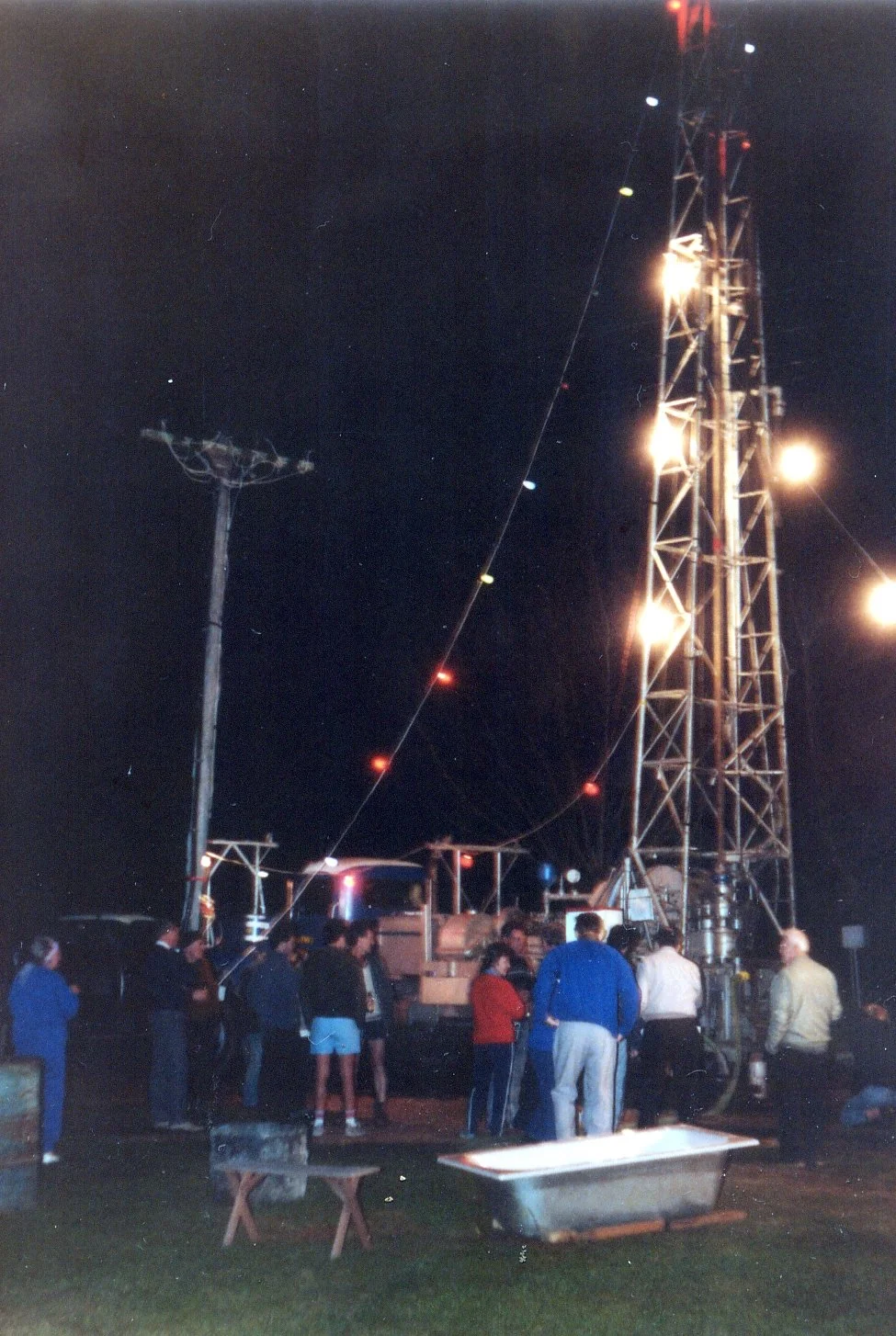
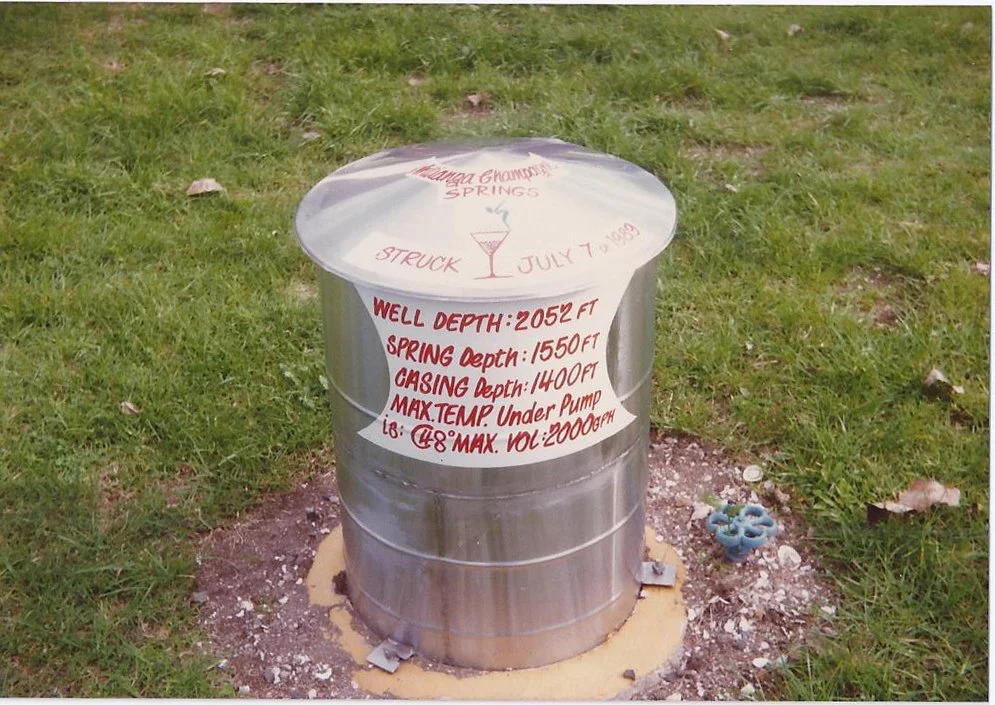
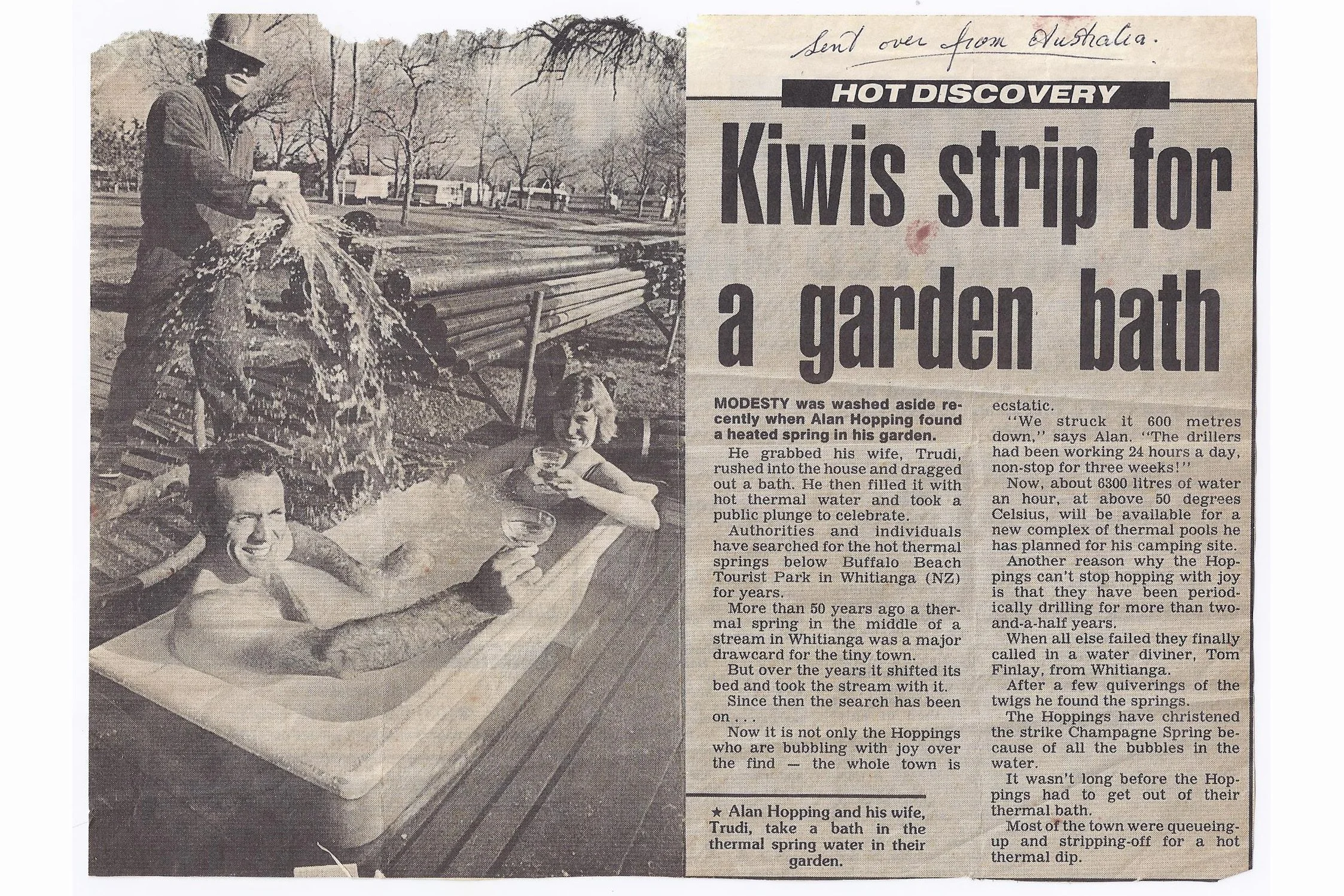
After drilling 24 hours for almost three weeks, hot water was struck at 635 meters. Christened The Champagne Hot Springs, the thermal waters were full of tiny bubbles. There was a huge party, and half the town was invited. However, the well failed over time due to a major electrical fault which eroded the casing. Undaunted, Alan knew the spring was really there, so he began to design and the beginnings of what you see today.
1991
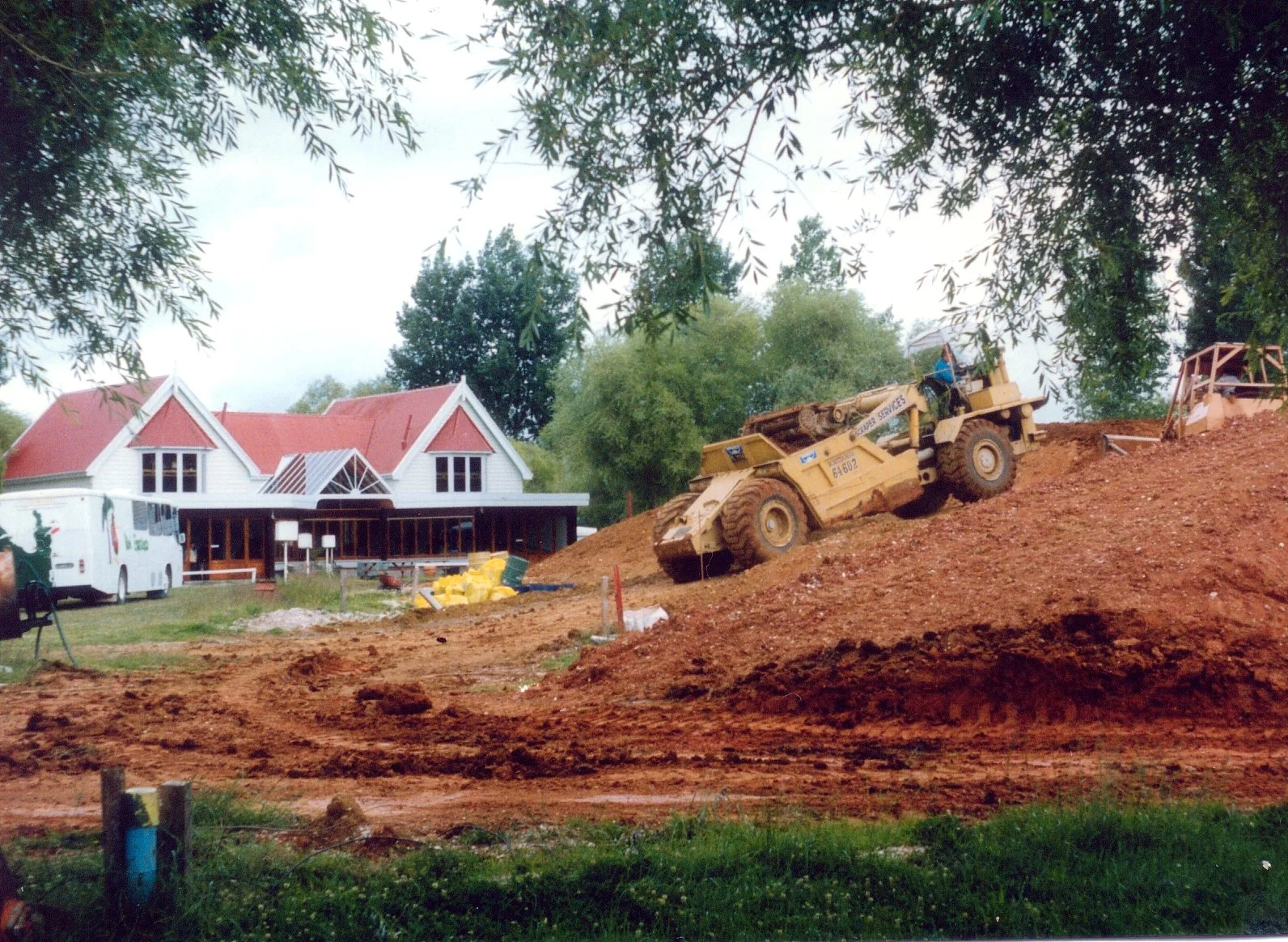
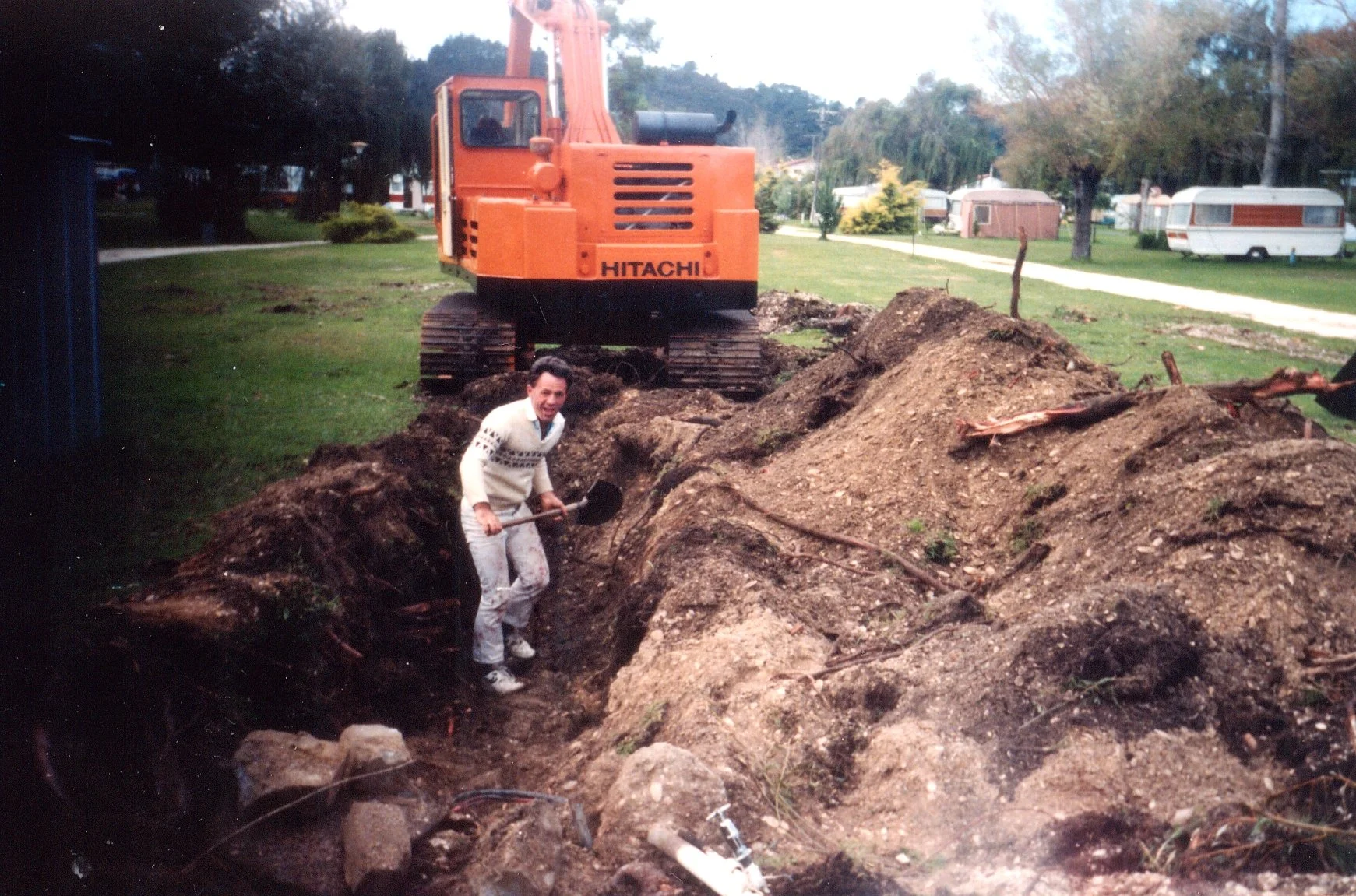
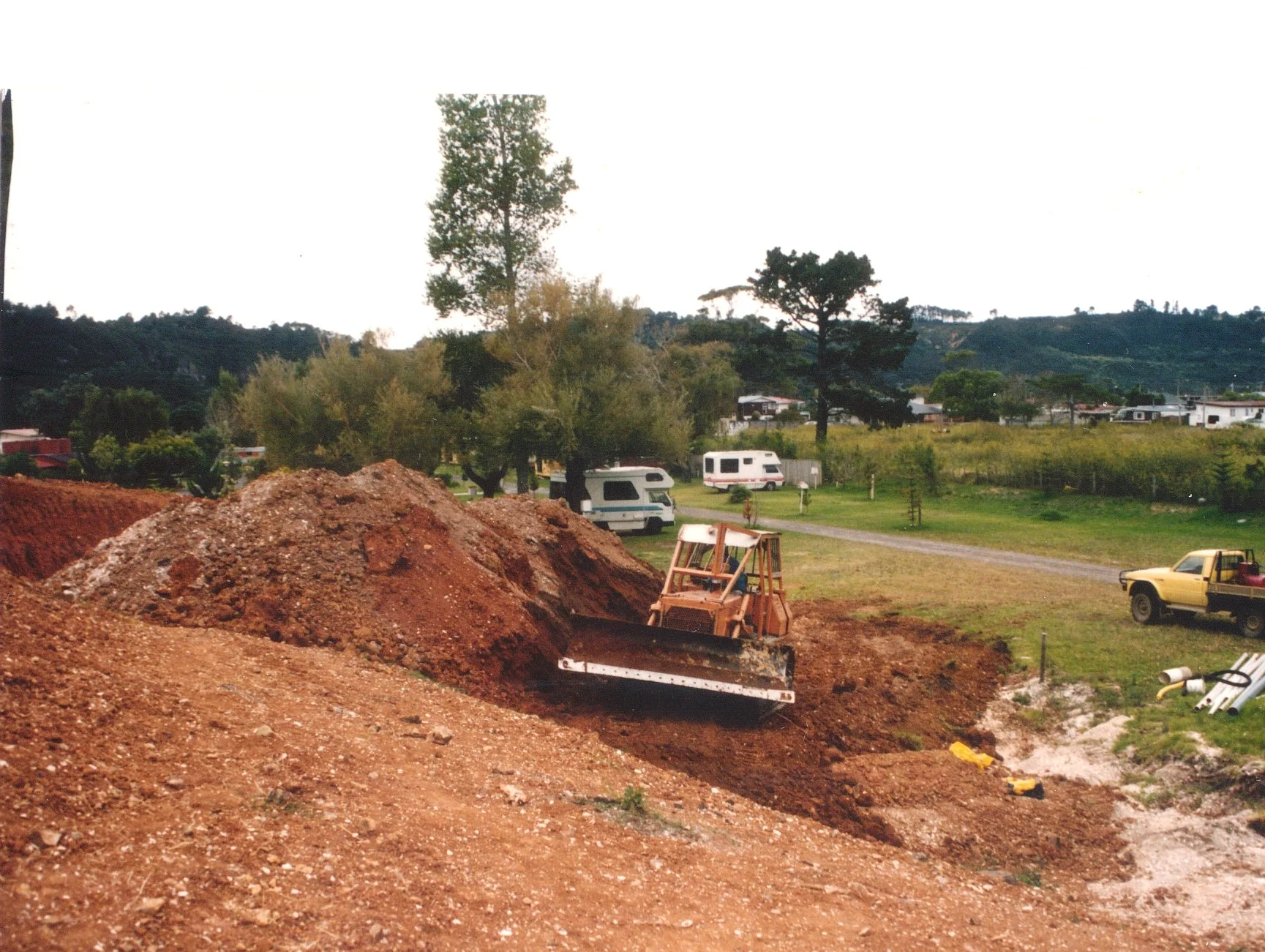
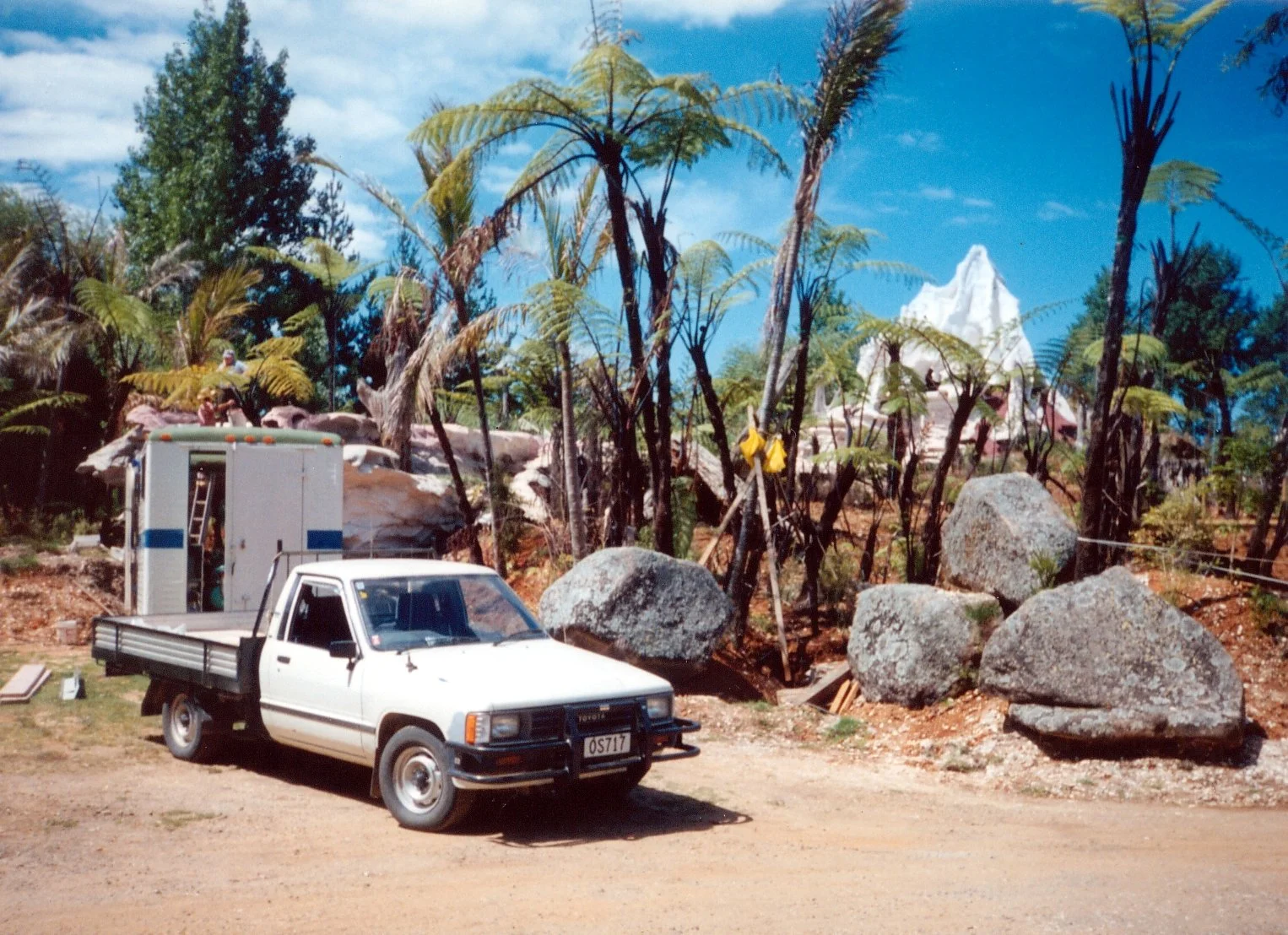
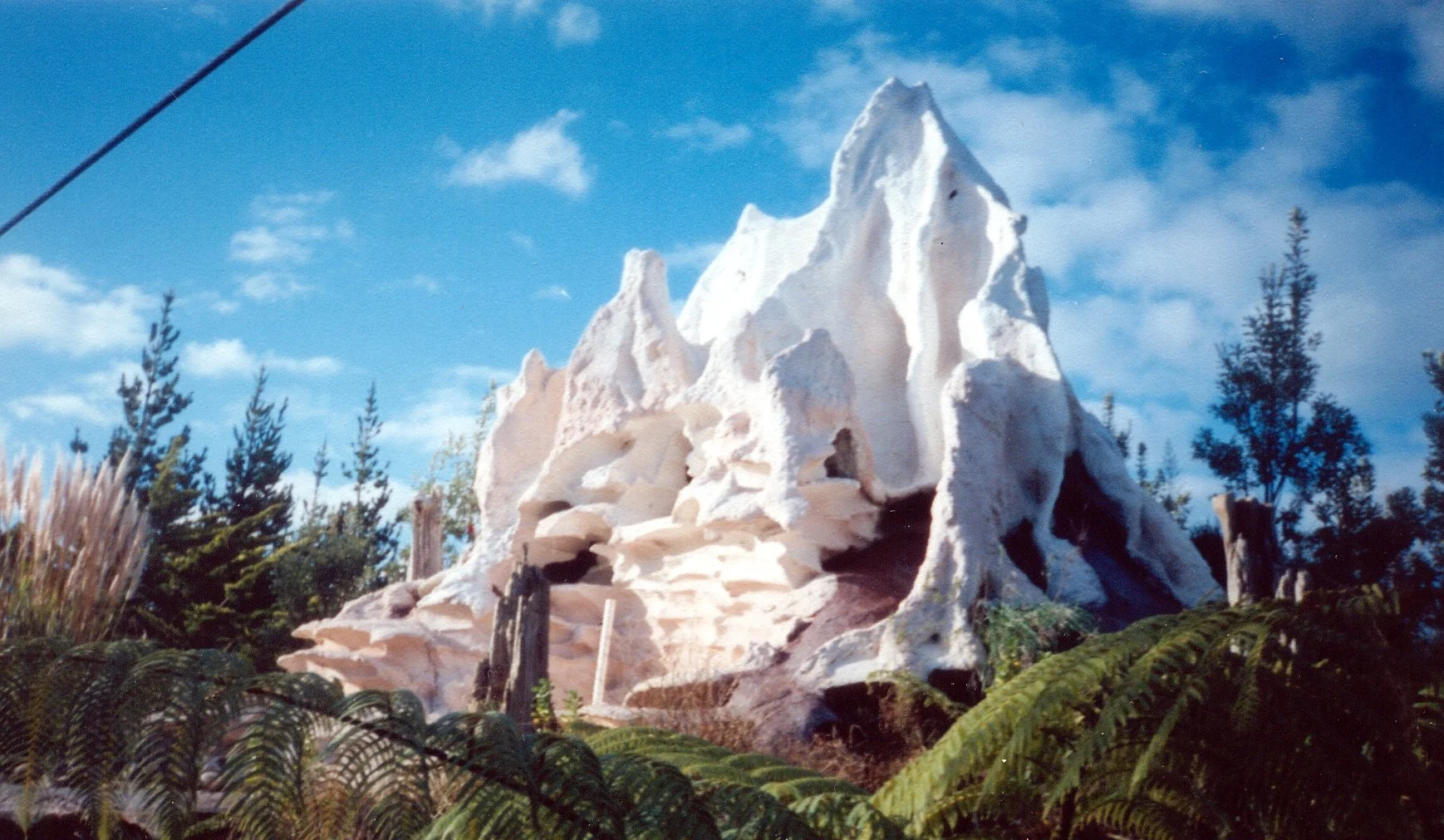
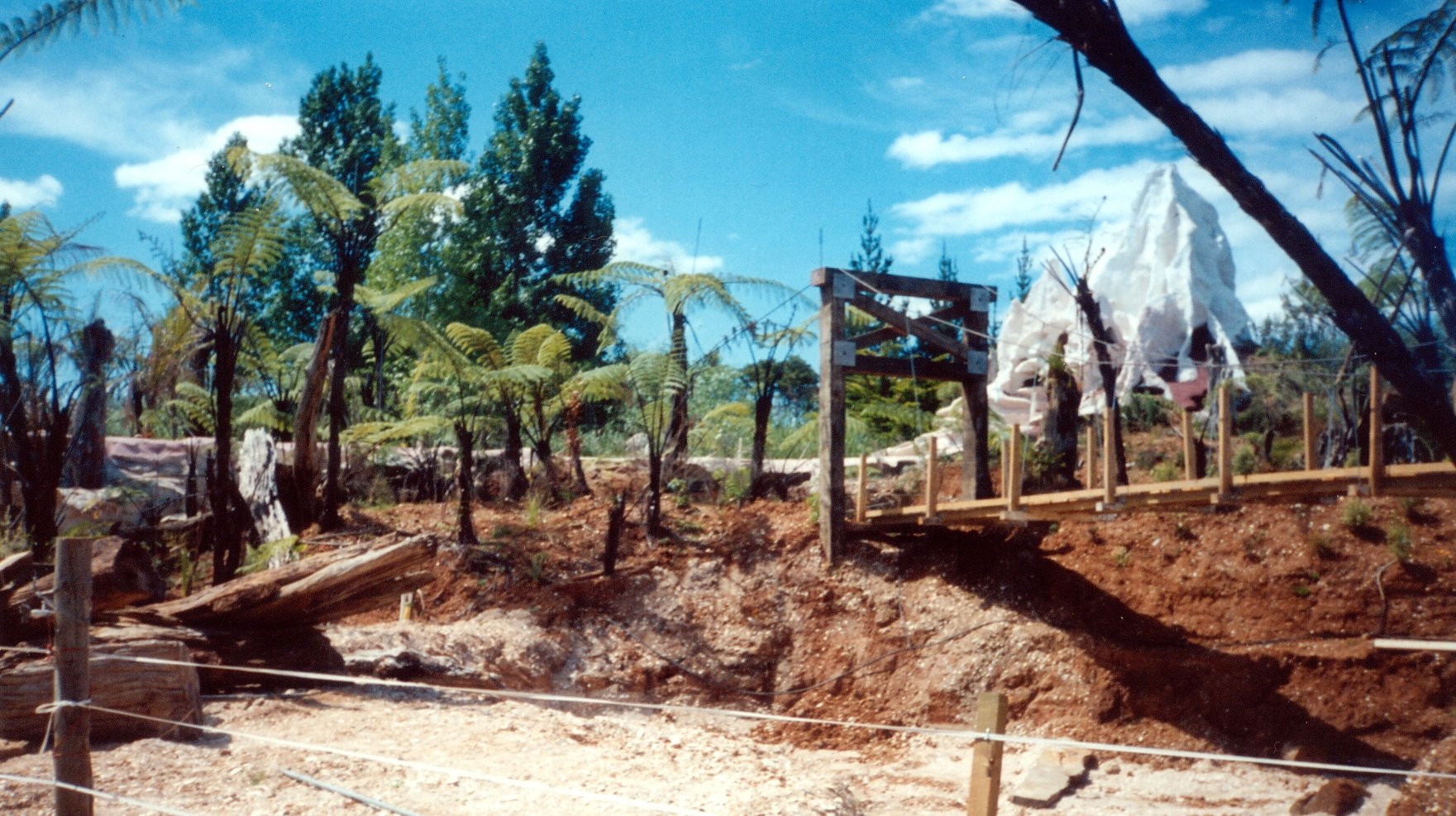
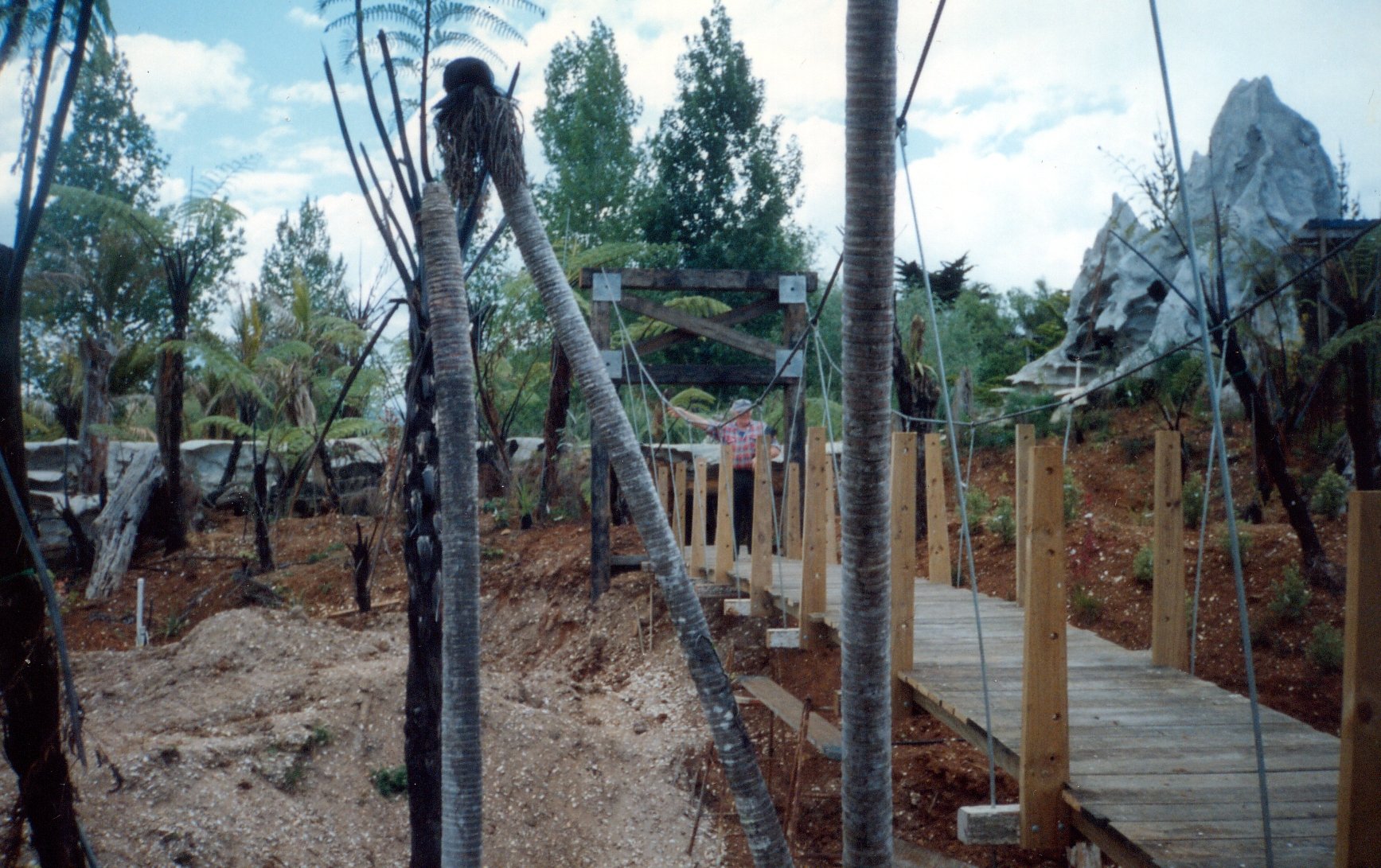
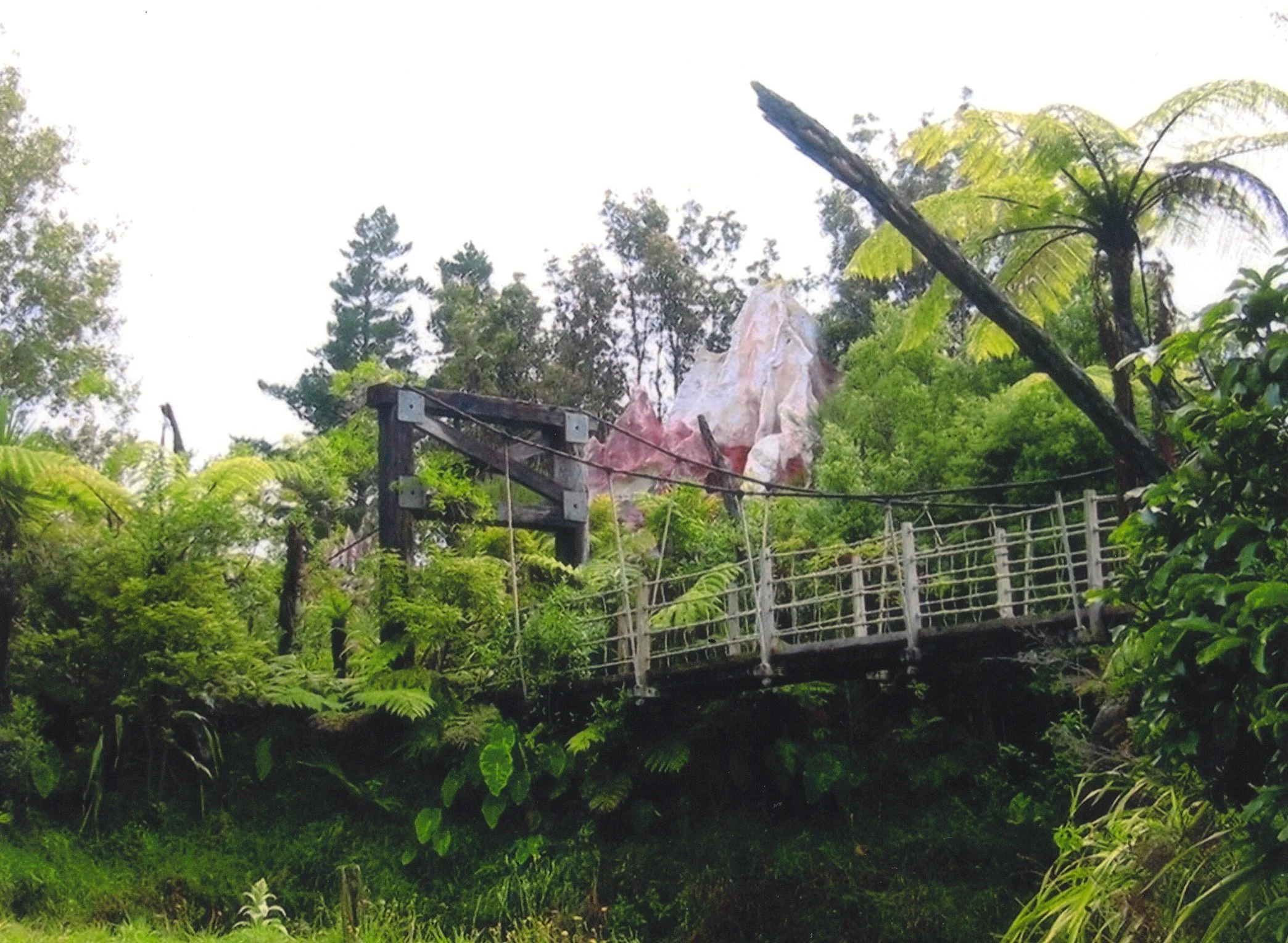
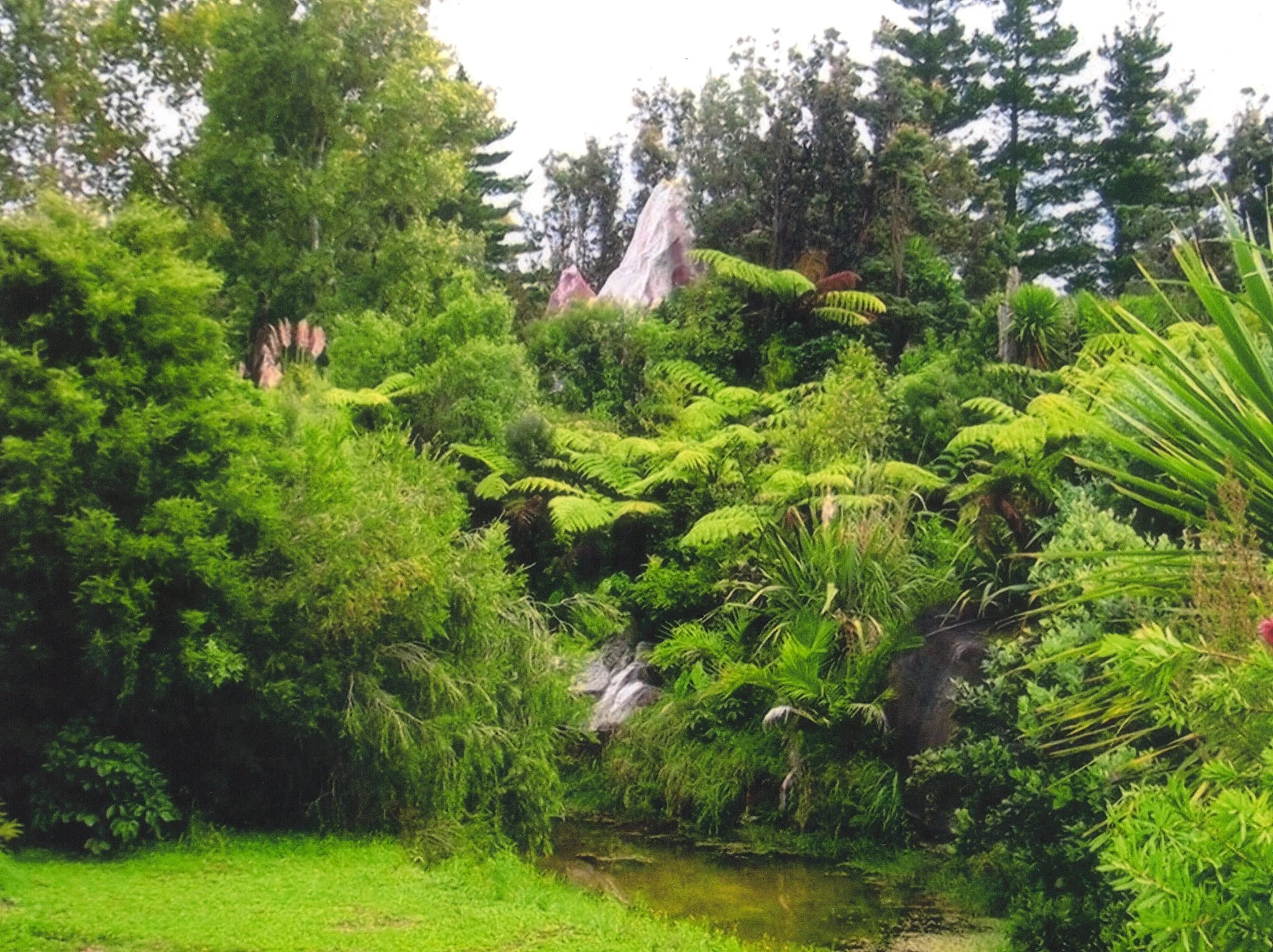
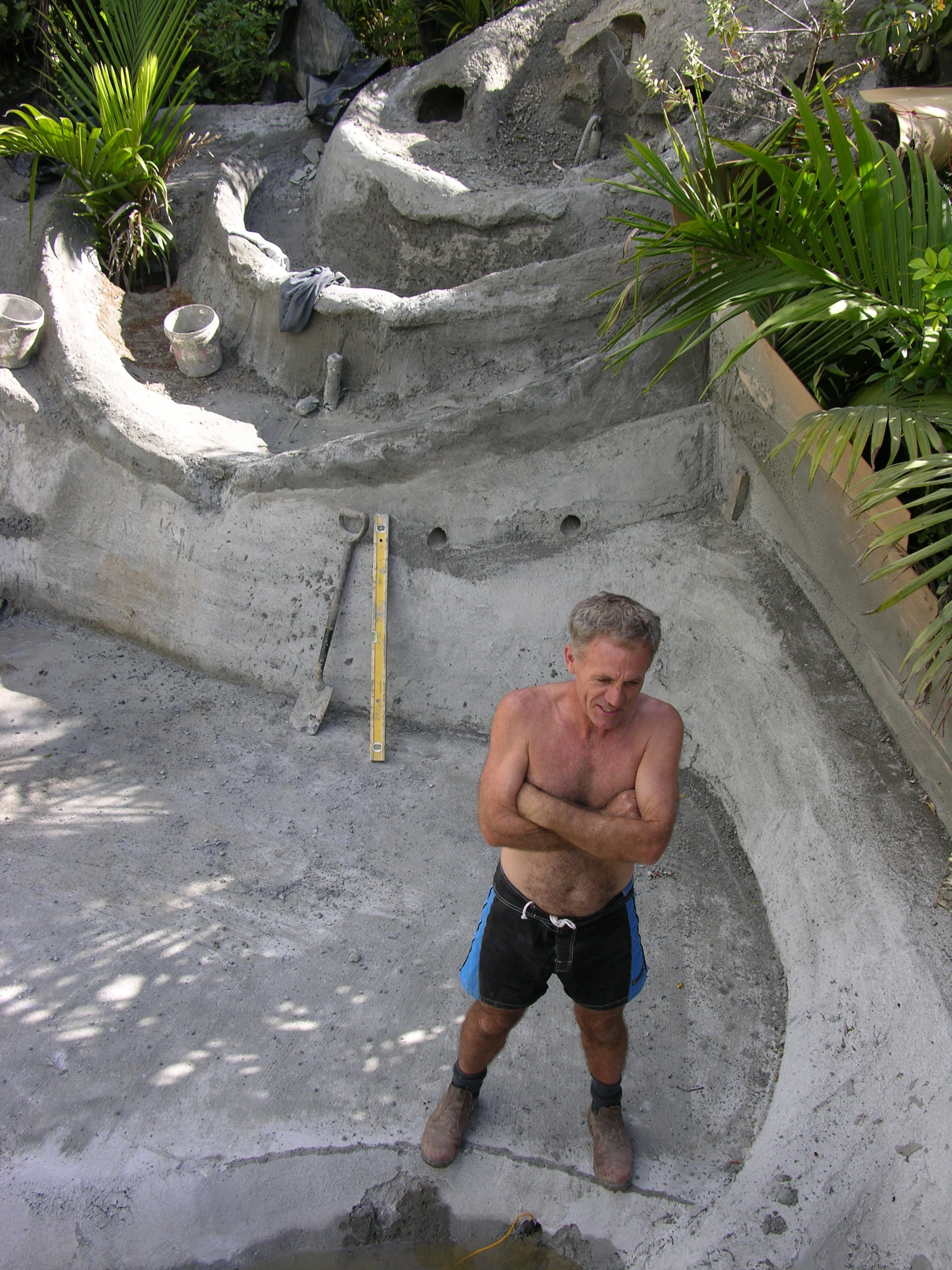
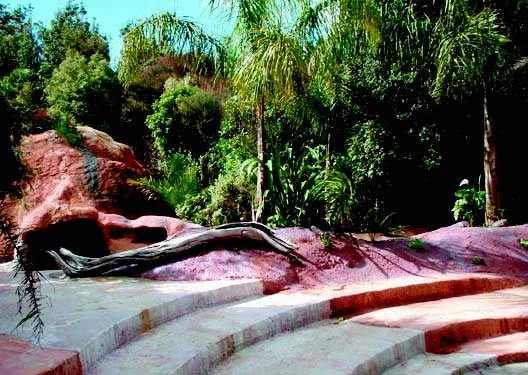
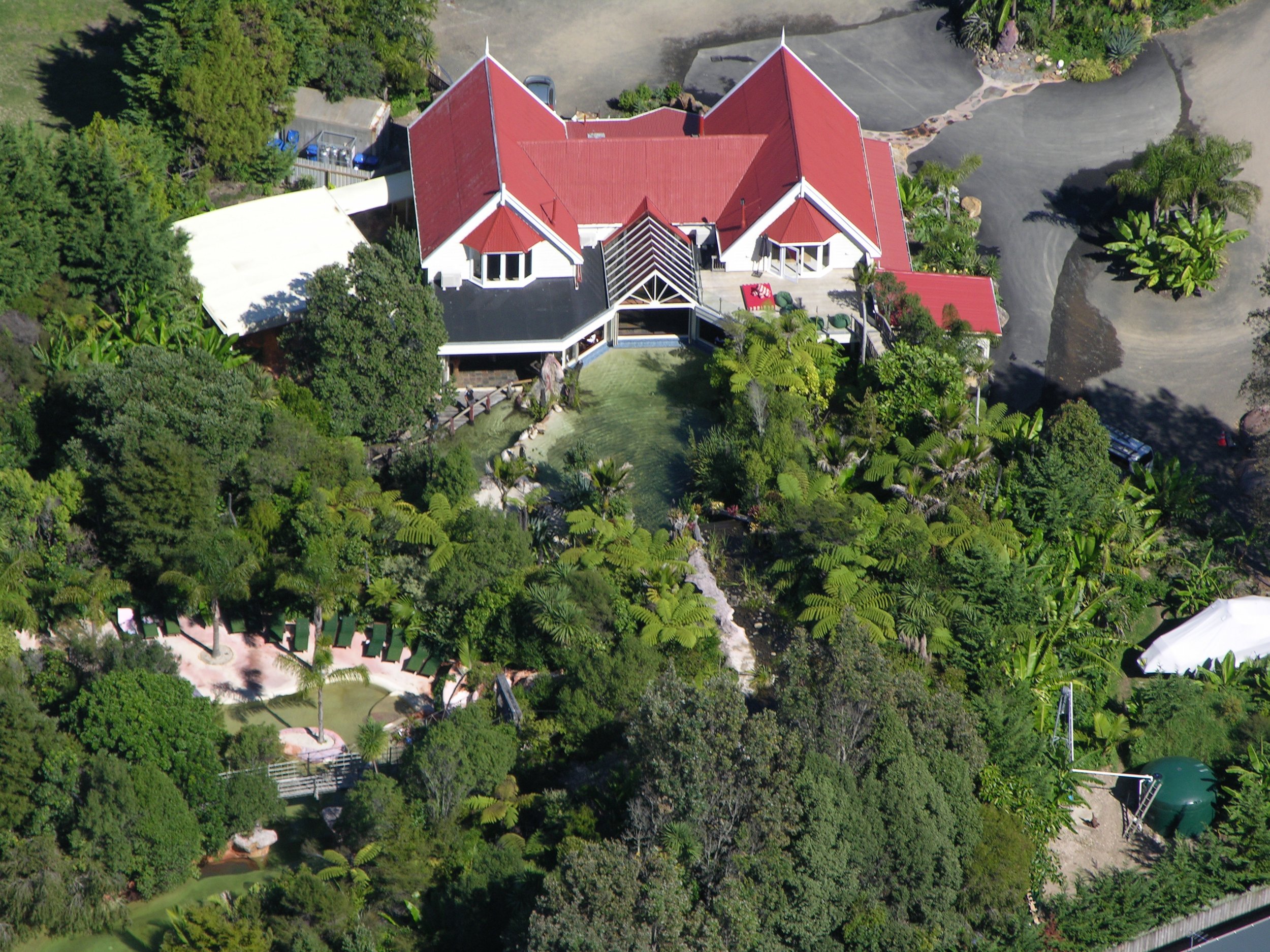
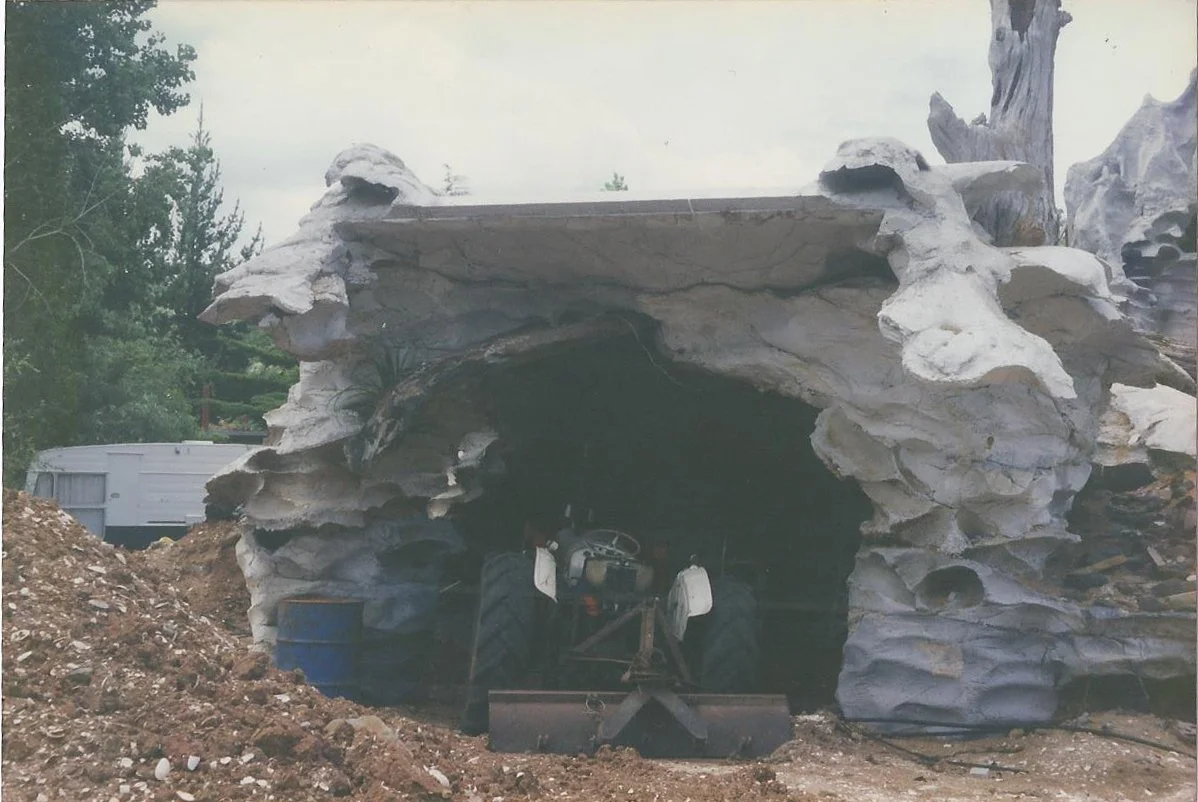
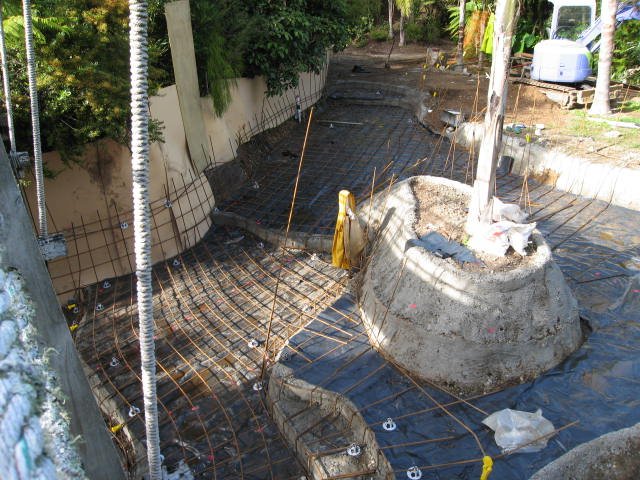
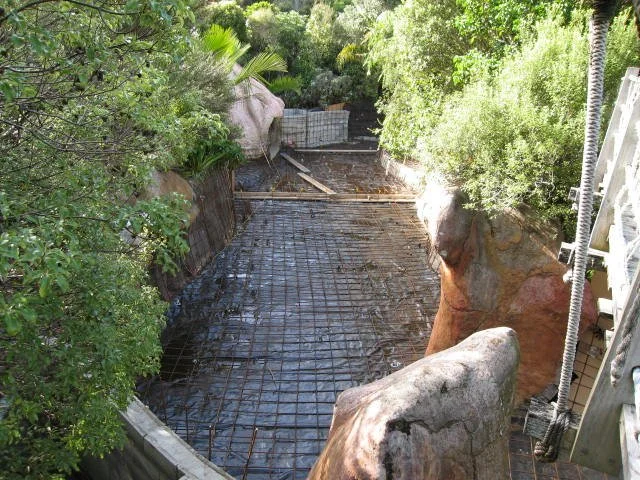
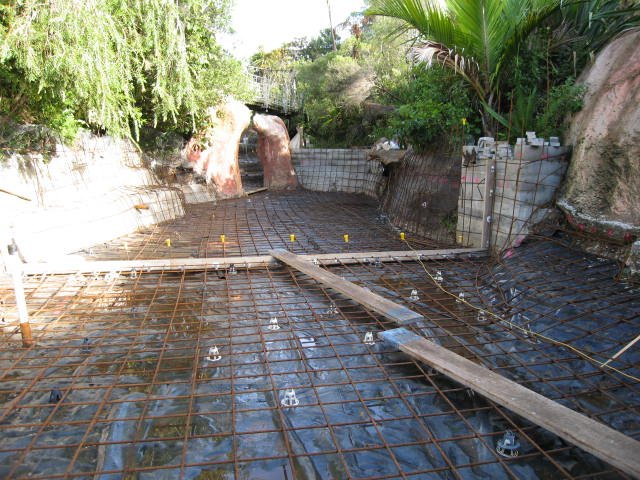
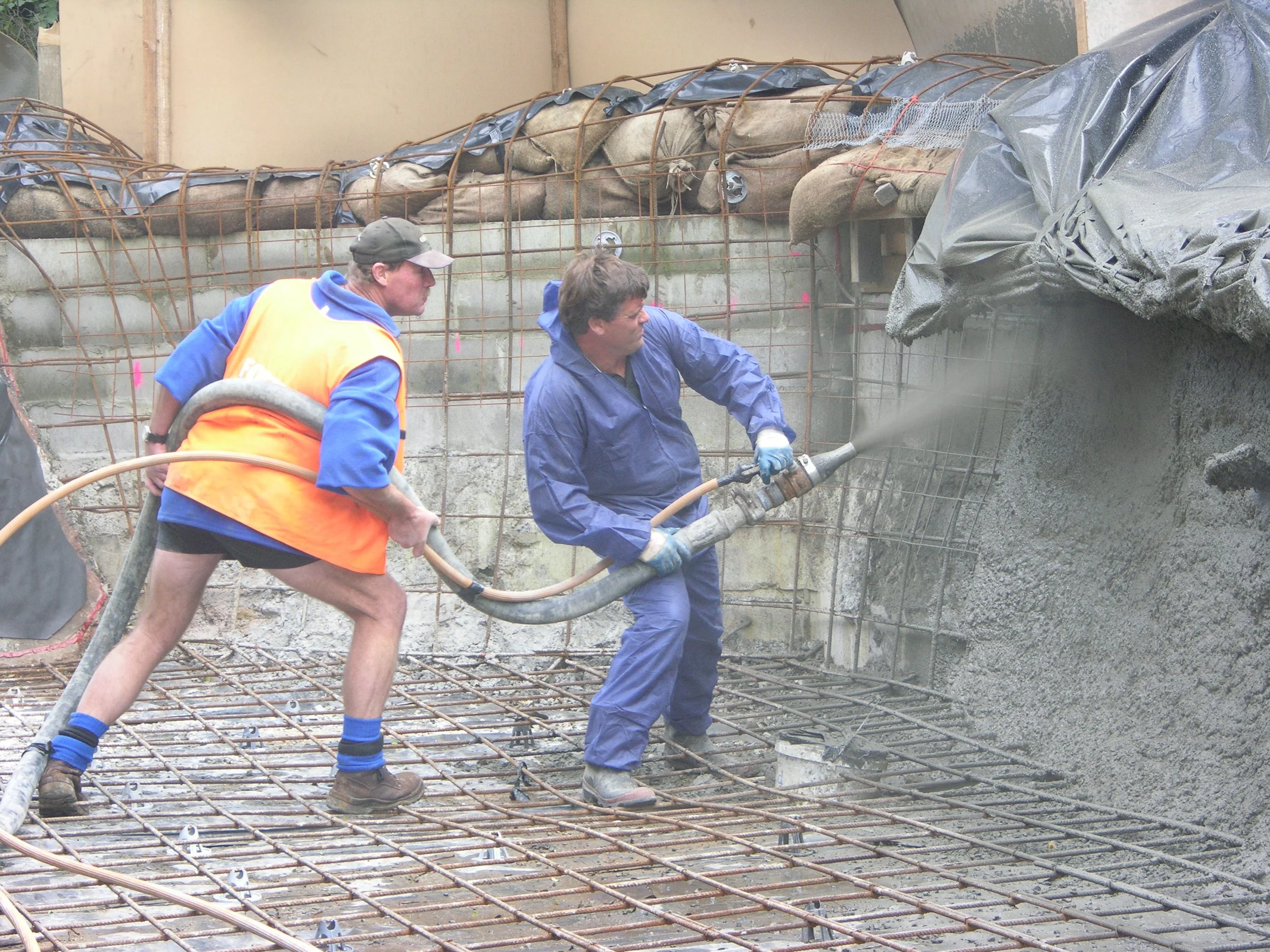
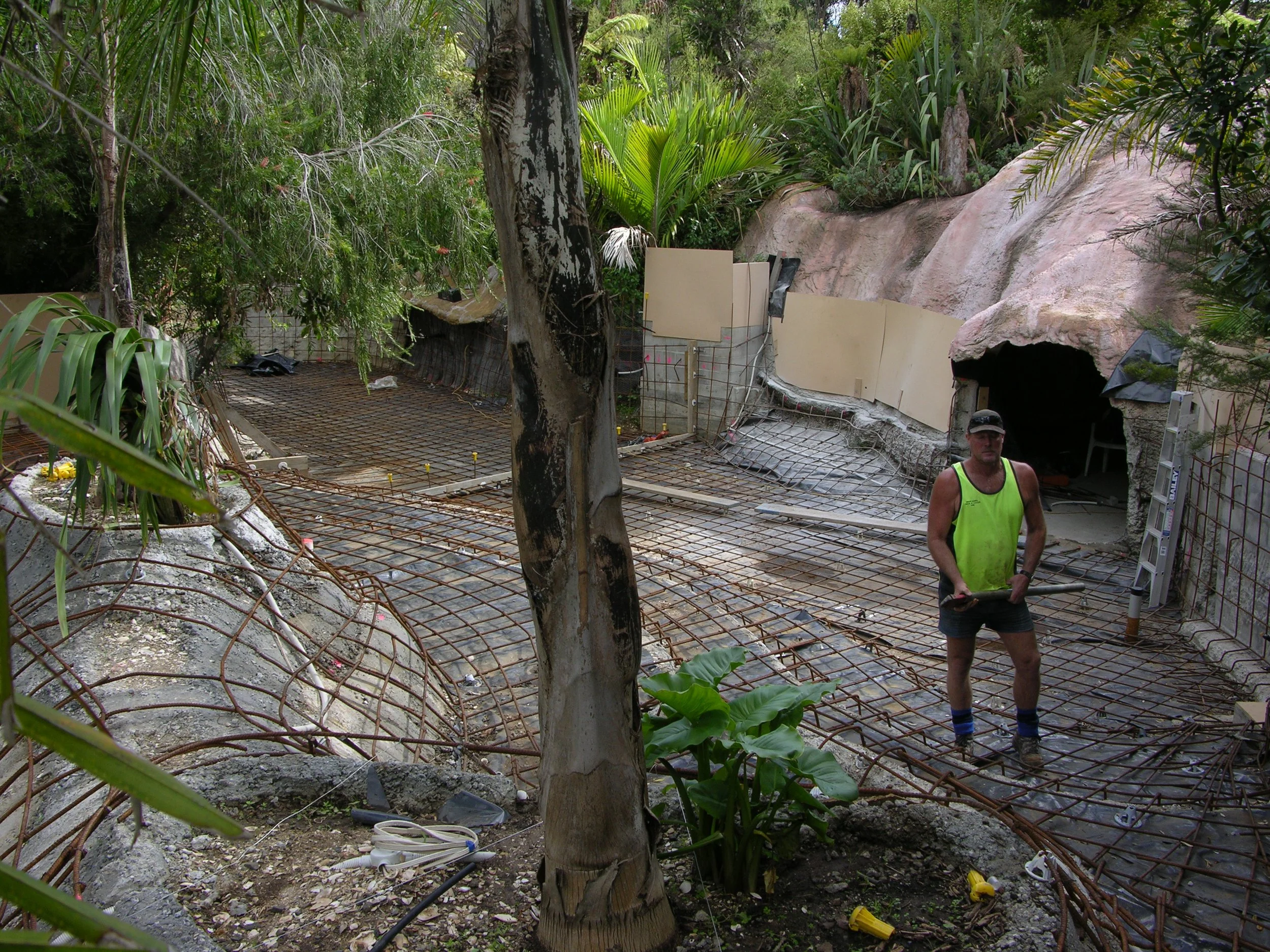
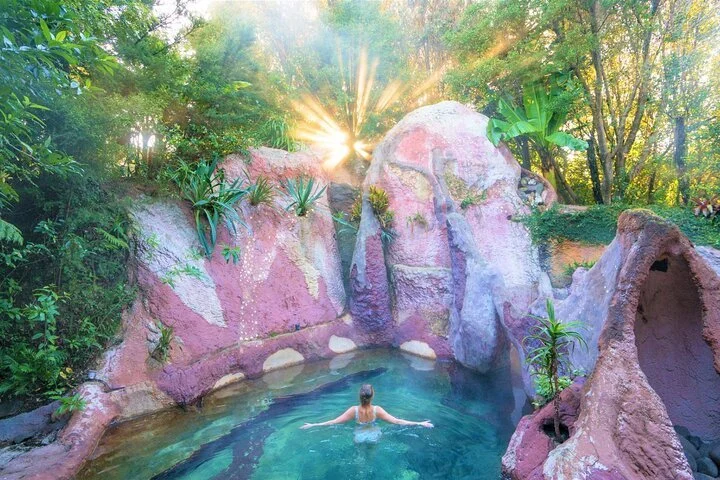
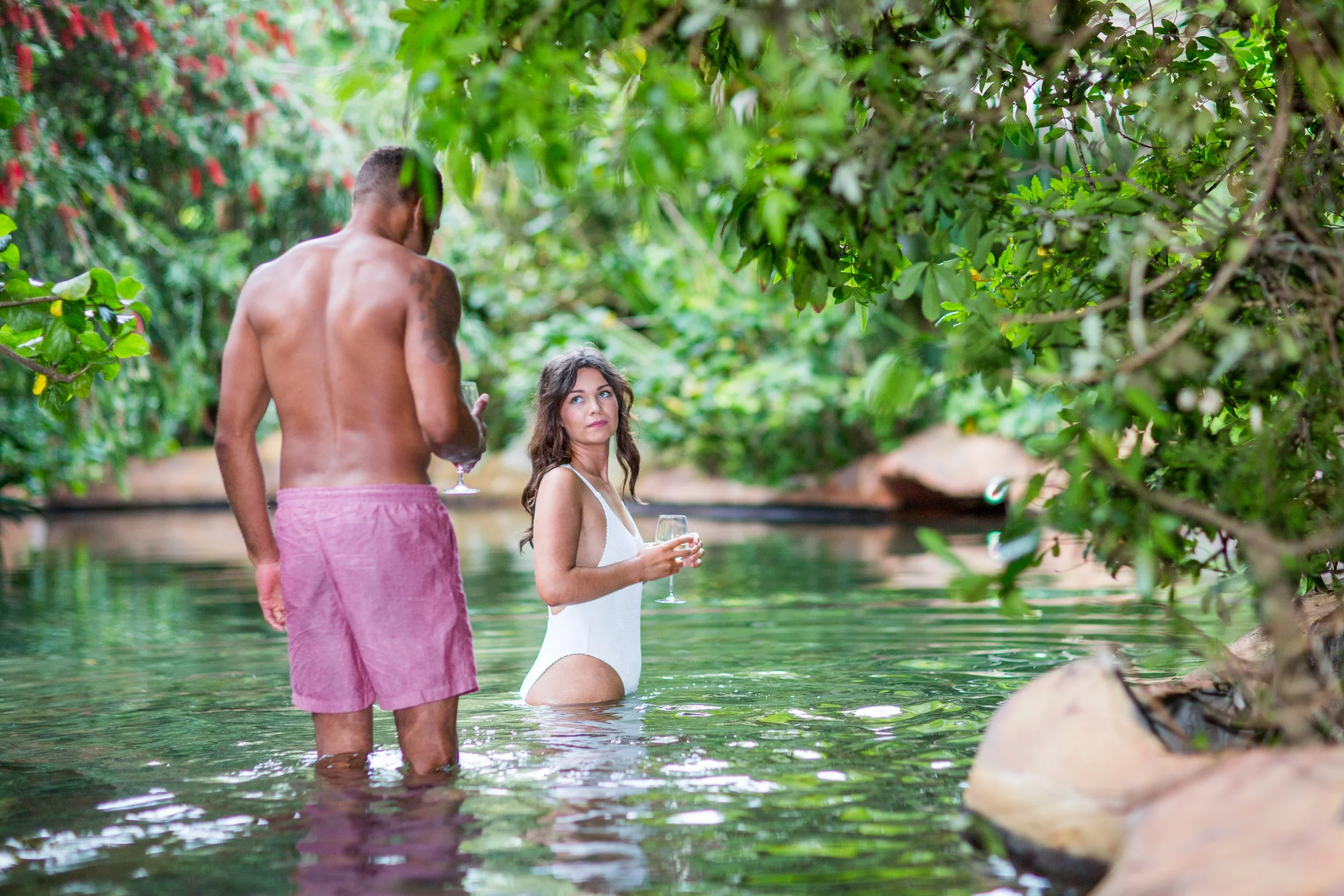
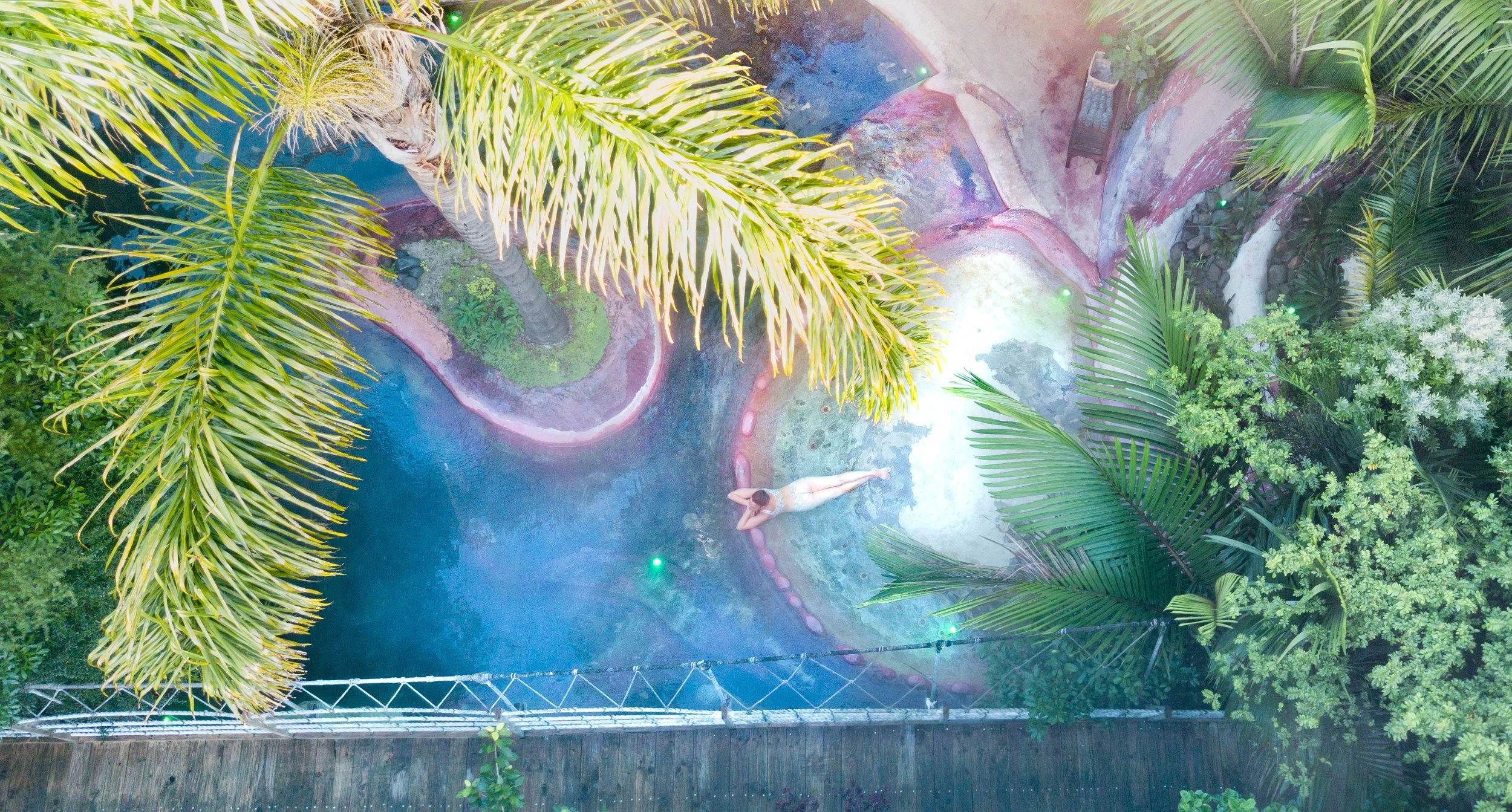
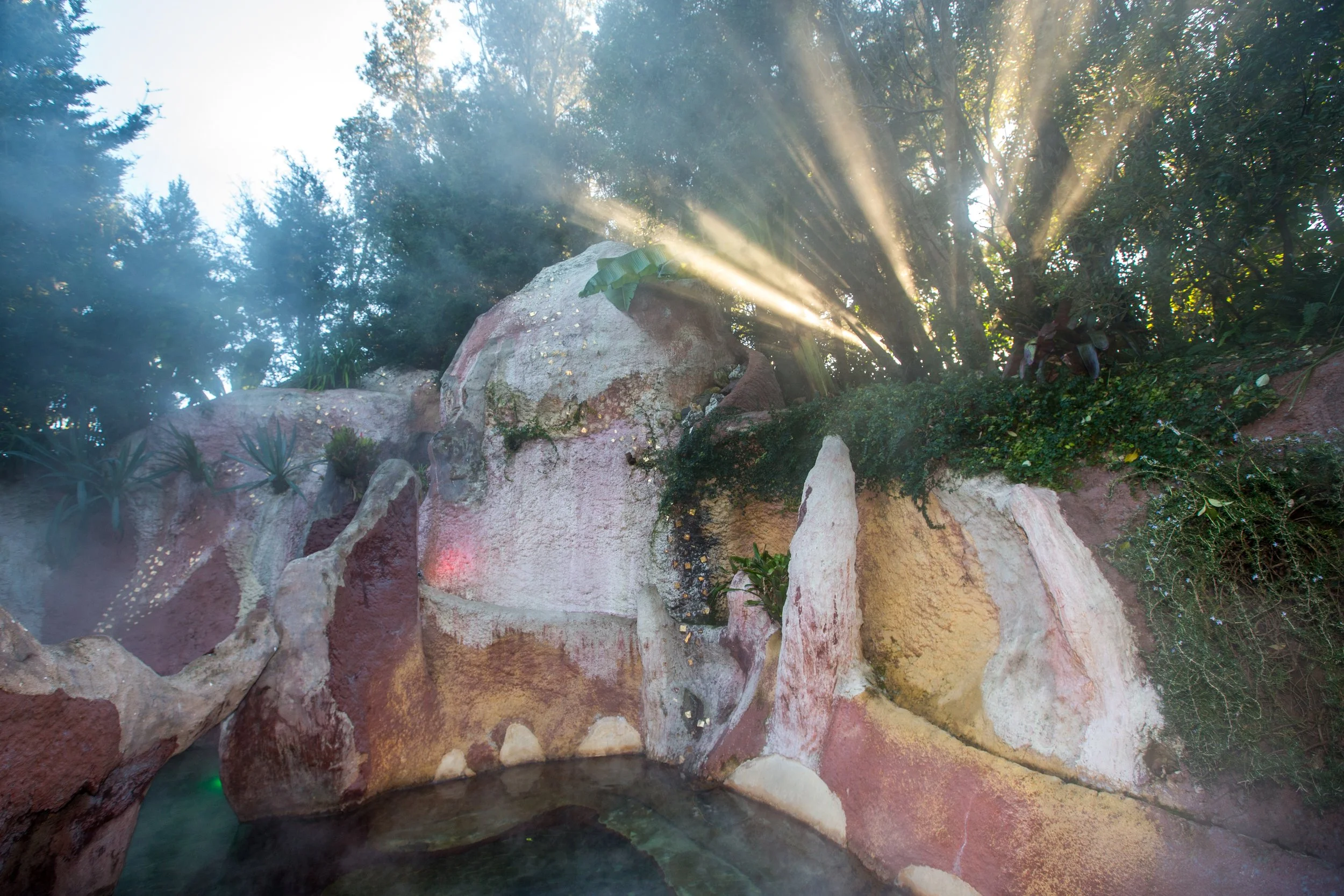
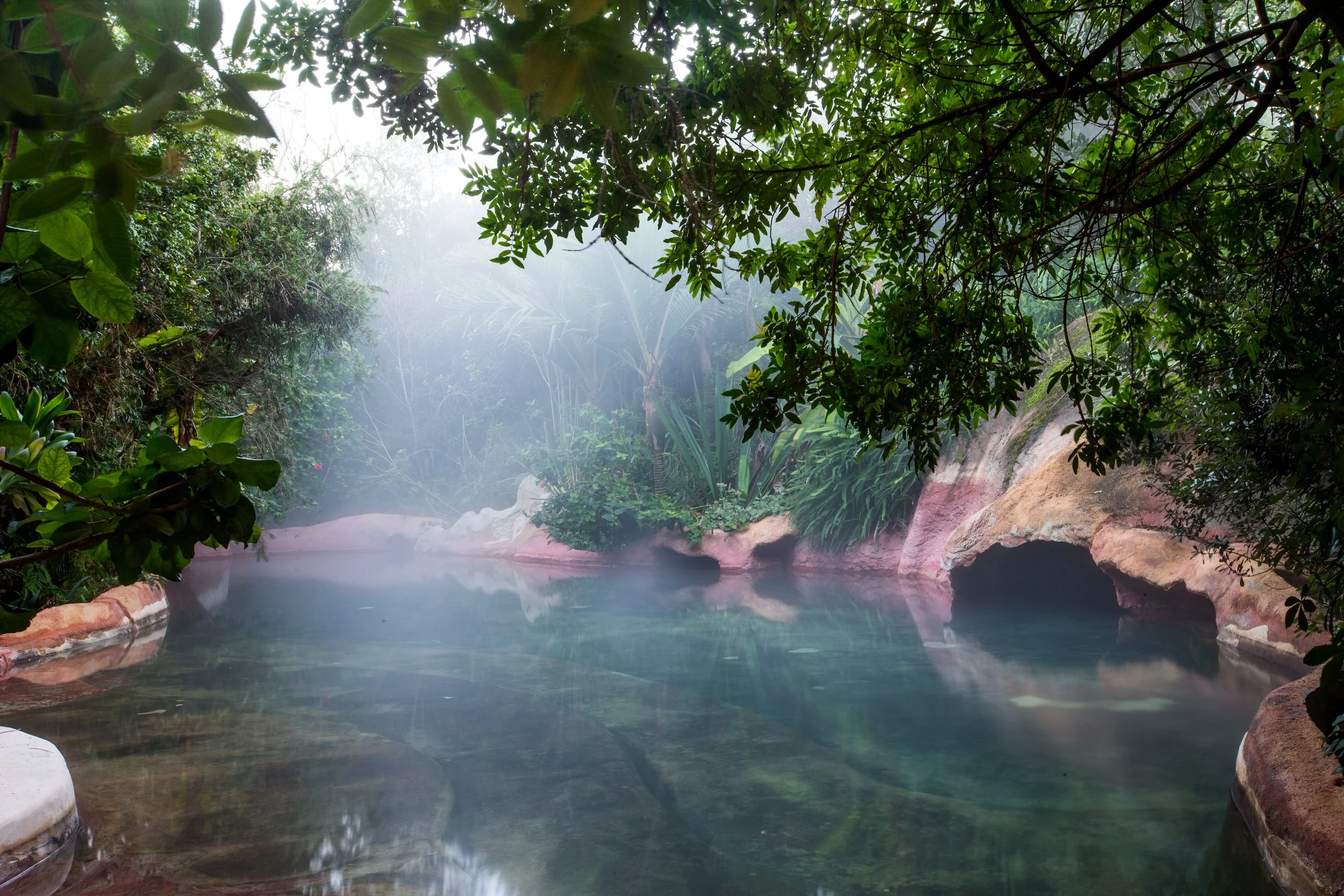
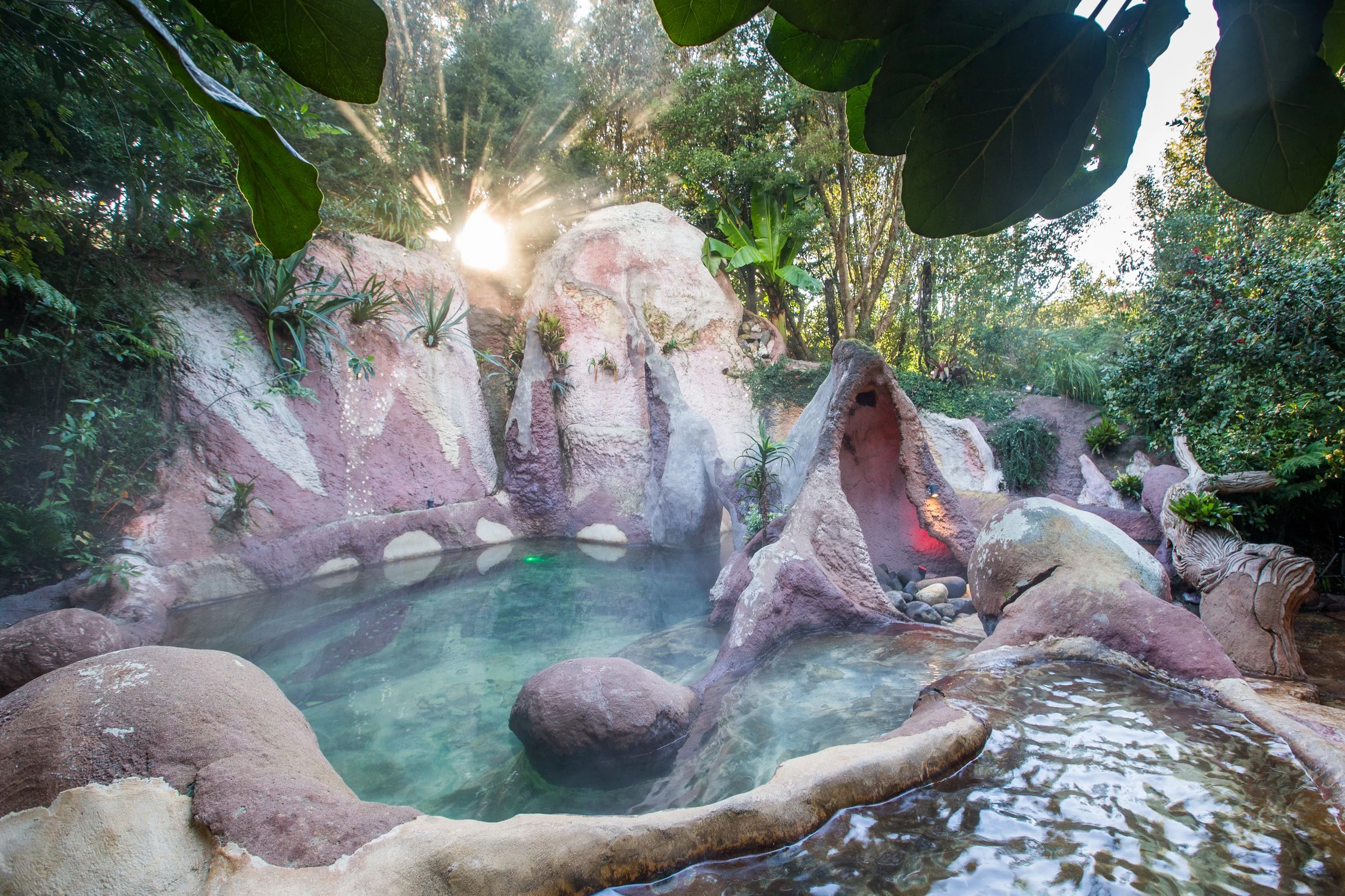
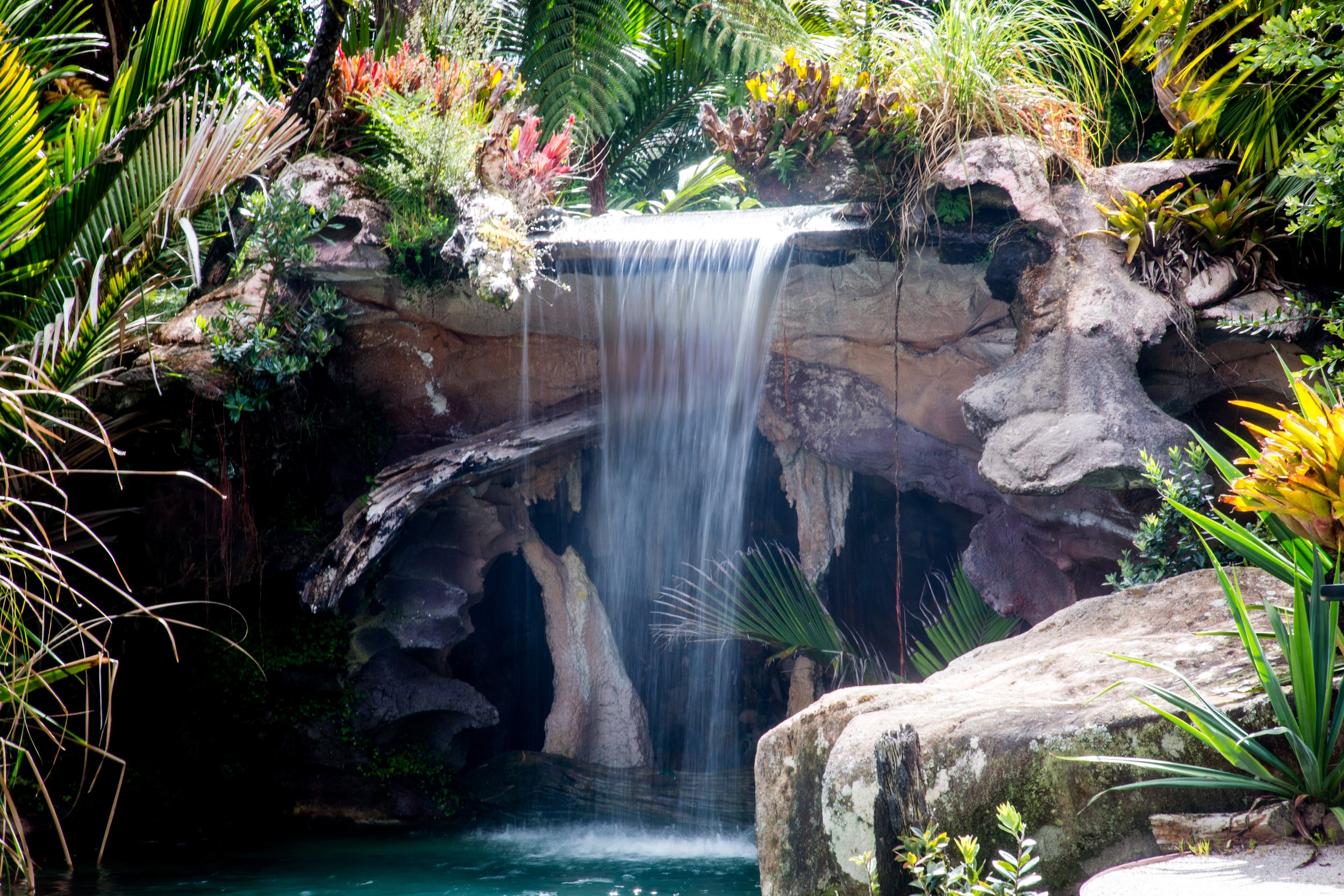
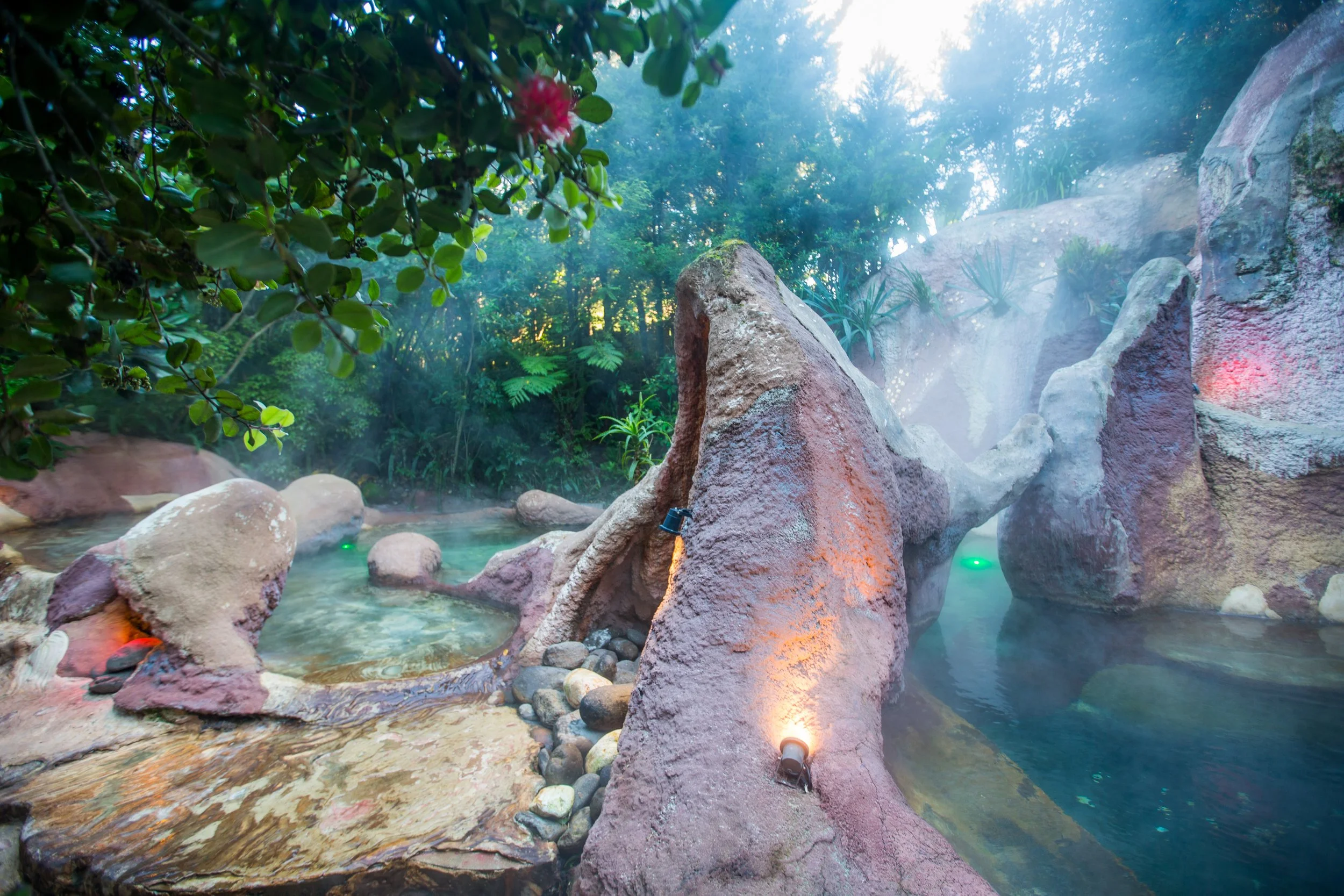
Alan began sculpting the surrounding landscape that would become paths, pools, mountains, volcanos, caves and waterfalls. He transported clay non stop from the 309 quarry for a year and then started with the hard landscaping, transforming what was a grassy camping ground covered in willow trees, into pools, waterfalls, gardens all reflecting the Coromandel.
2001
A third well drilled to 645 meters was dry.
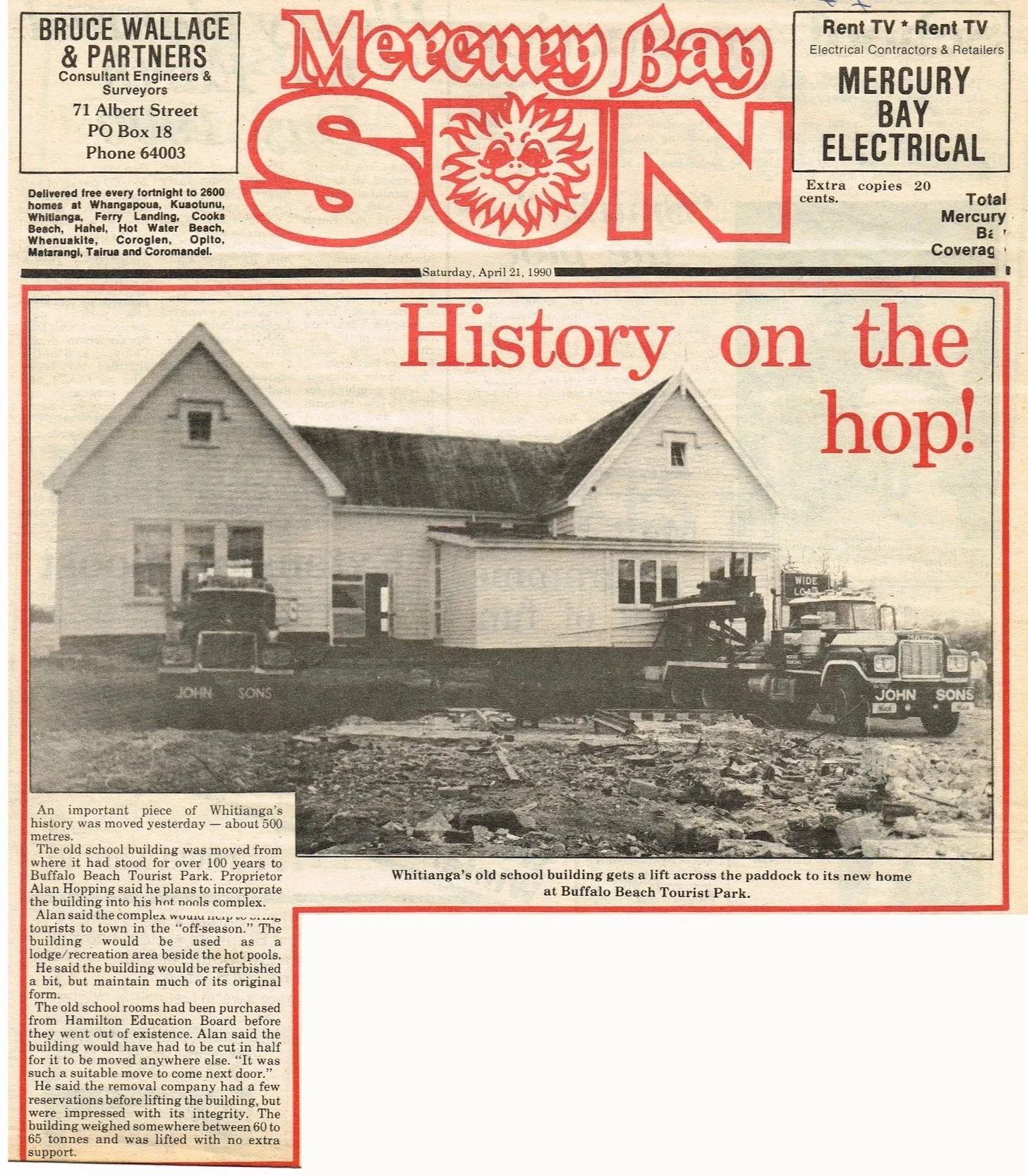
Still Alan pressed on with the construction of the waterfall, crater, main pool, landscaping and renovation of the old school.
2006
Finally, 17 years after first striking hot water, Alan successfully drilled and struck his viable well at 667 meters deep, producing 15,000 liters of hot water an hour at 48 degrees Celsius.
2008
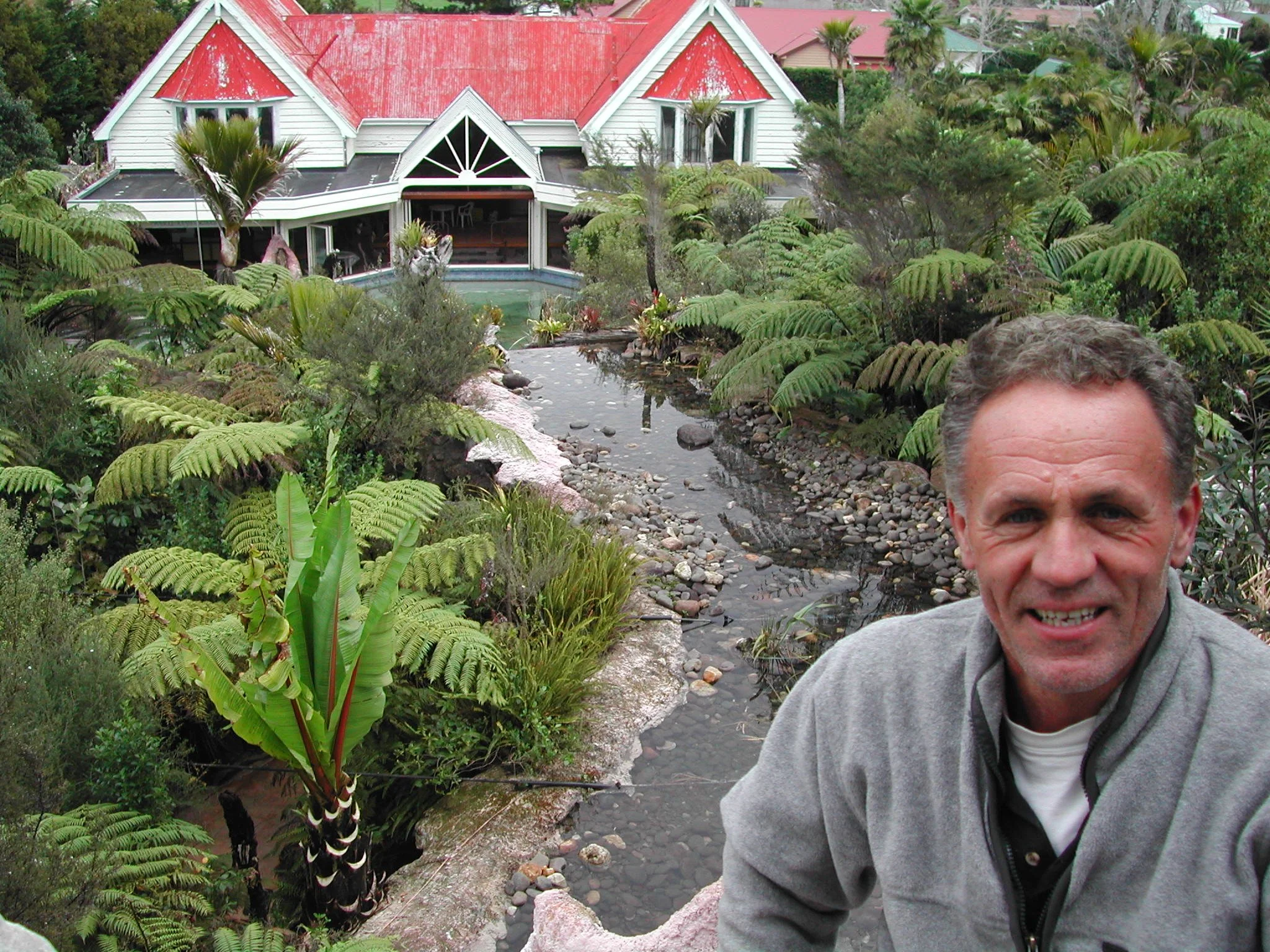
After 23 years of construction The Lost Spring Geothermal Pools, Café and Day Spa opened to the public December 8, 2008.
The Lost Spring Today

Some Fun Facts
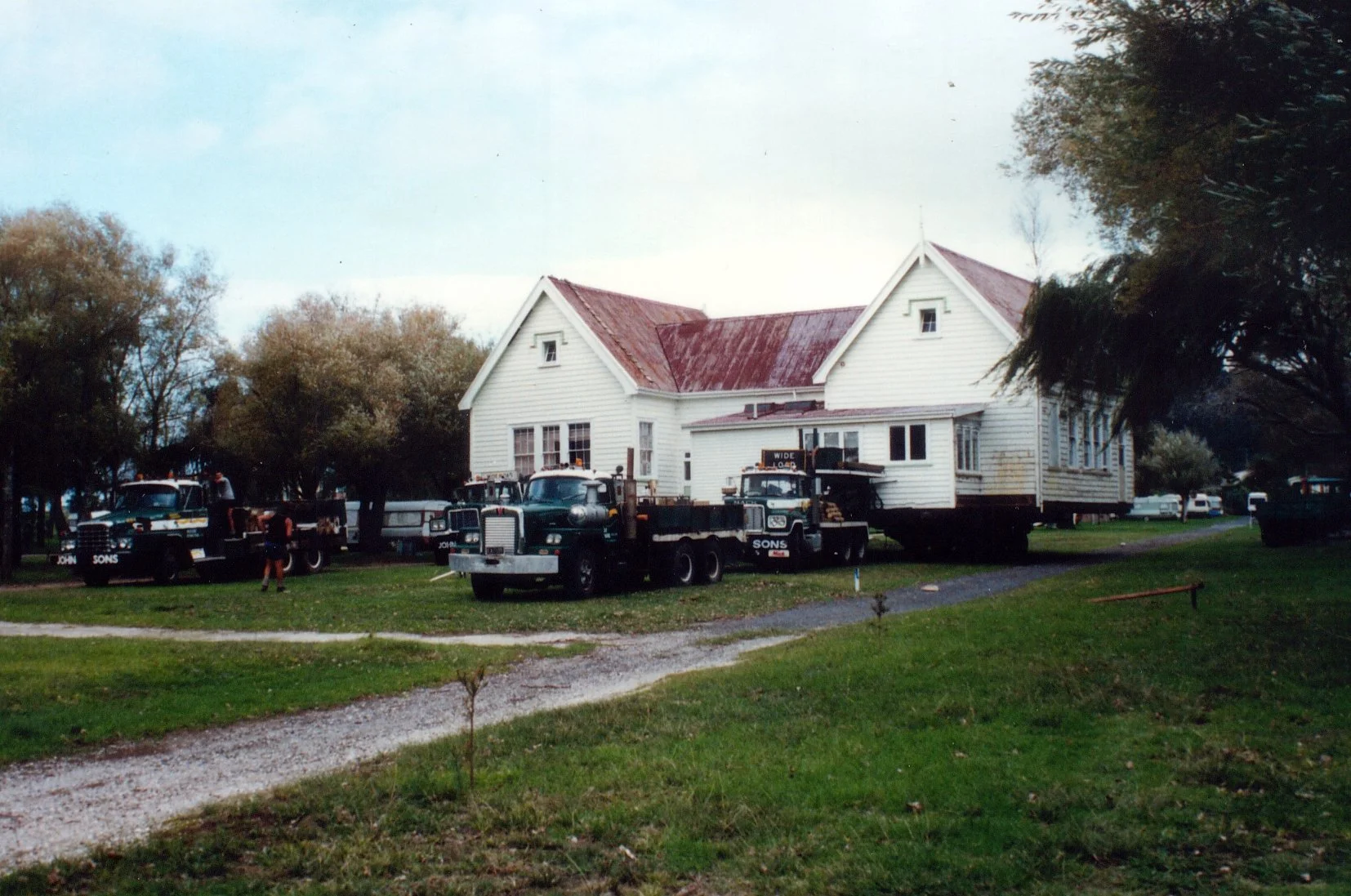
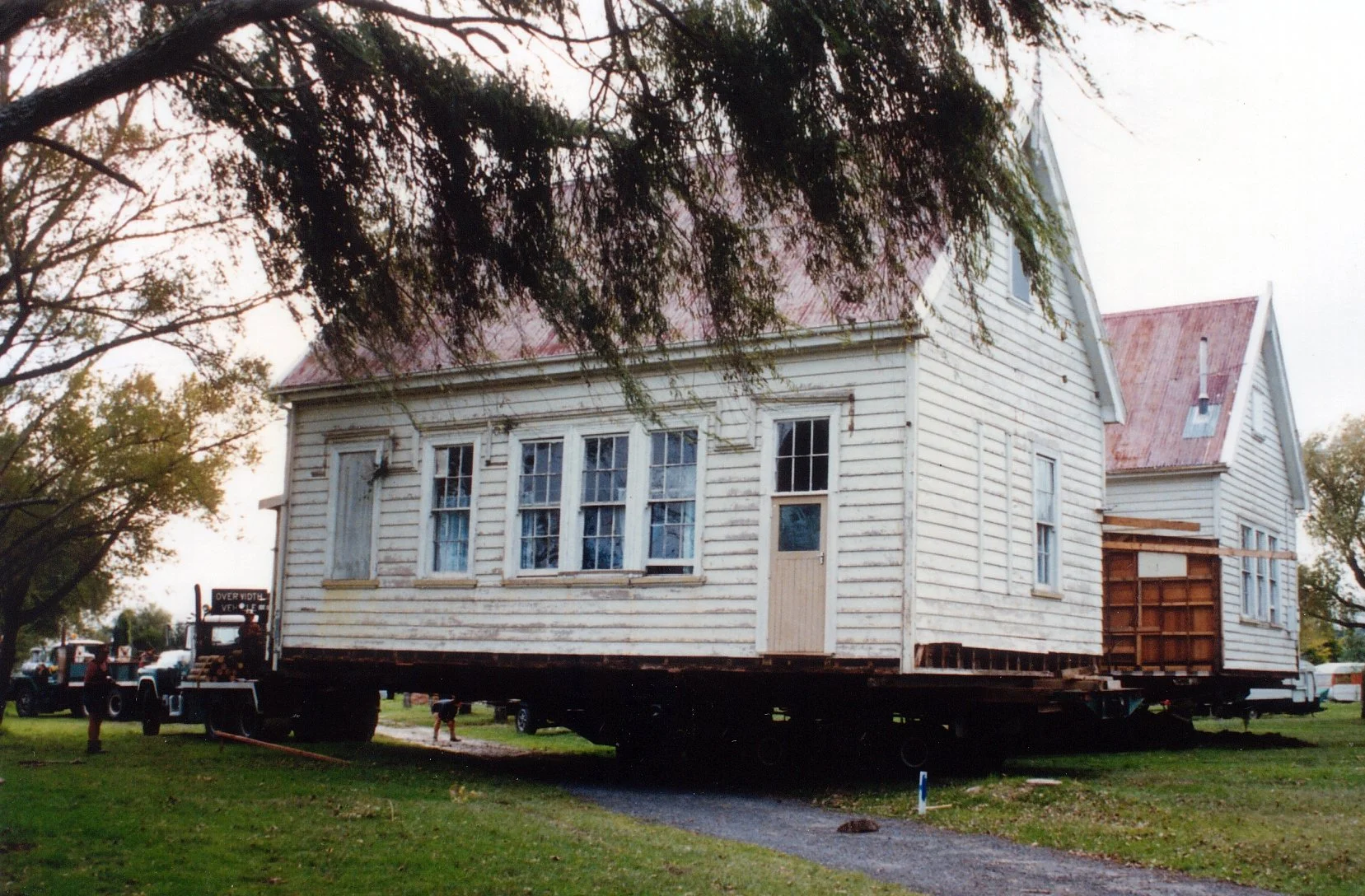
Originally built in 1865, the old Mercury Bay School was moved by four trucks, 500 meters across open fields to it’s new position.
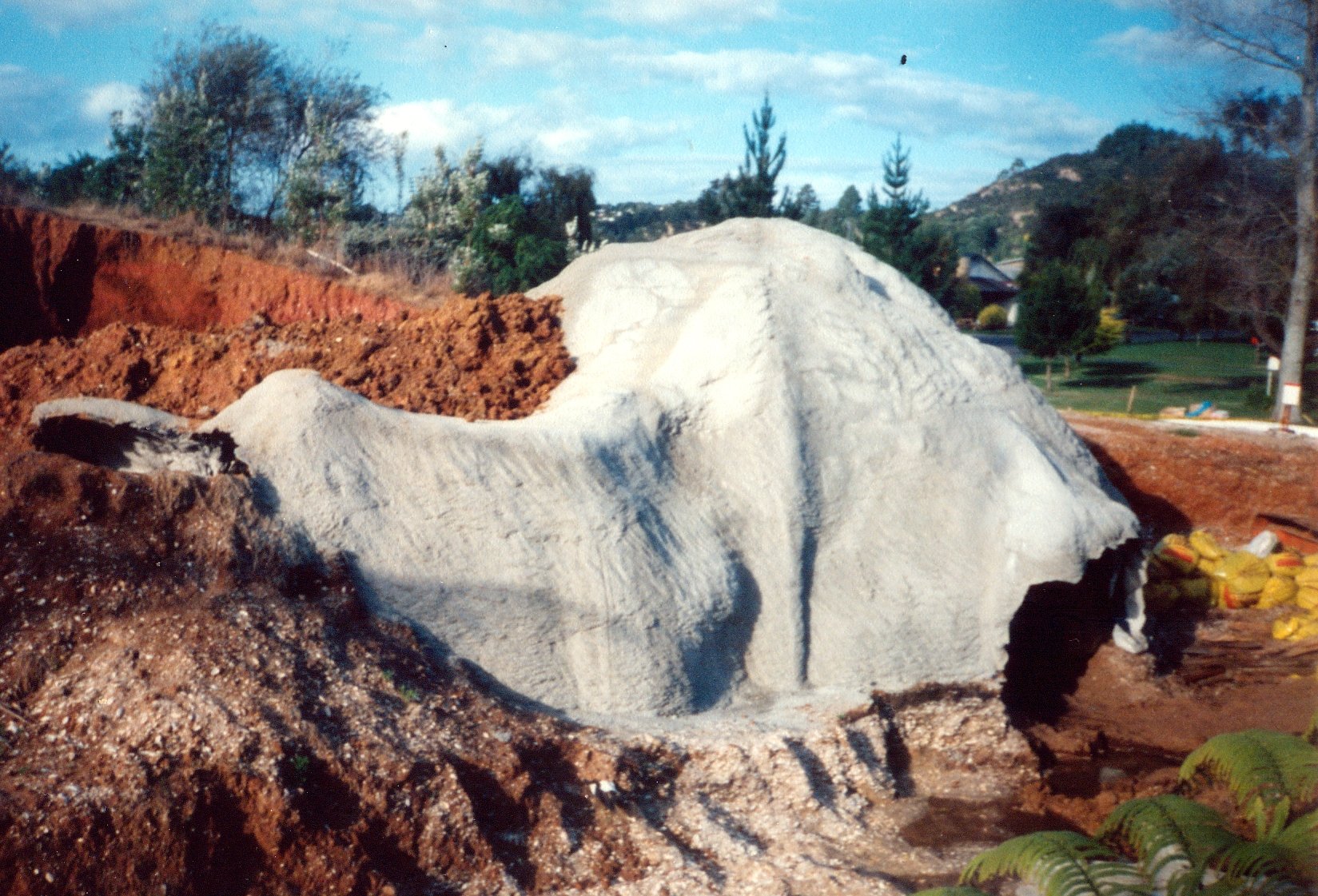
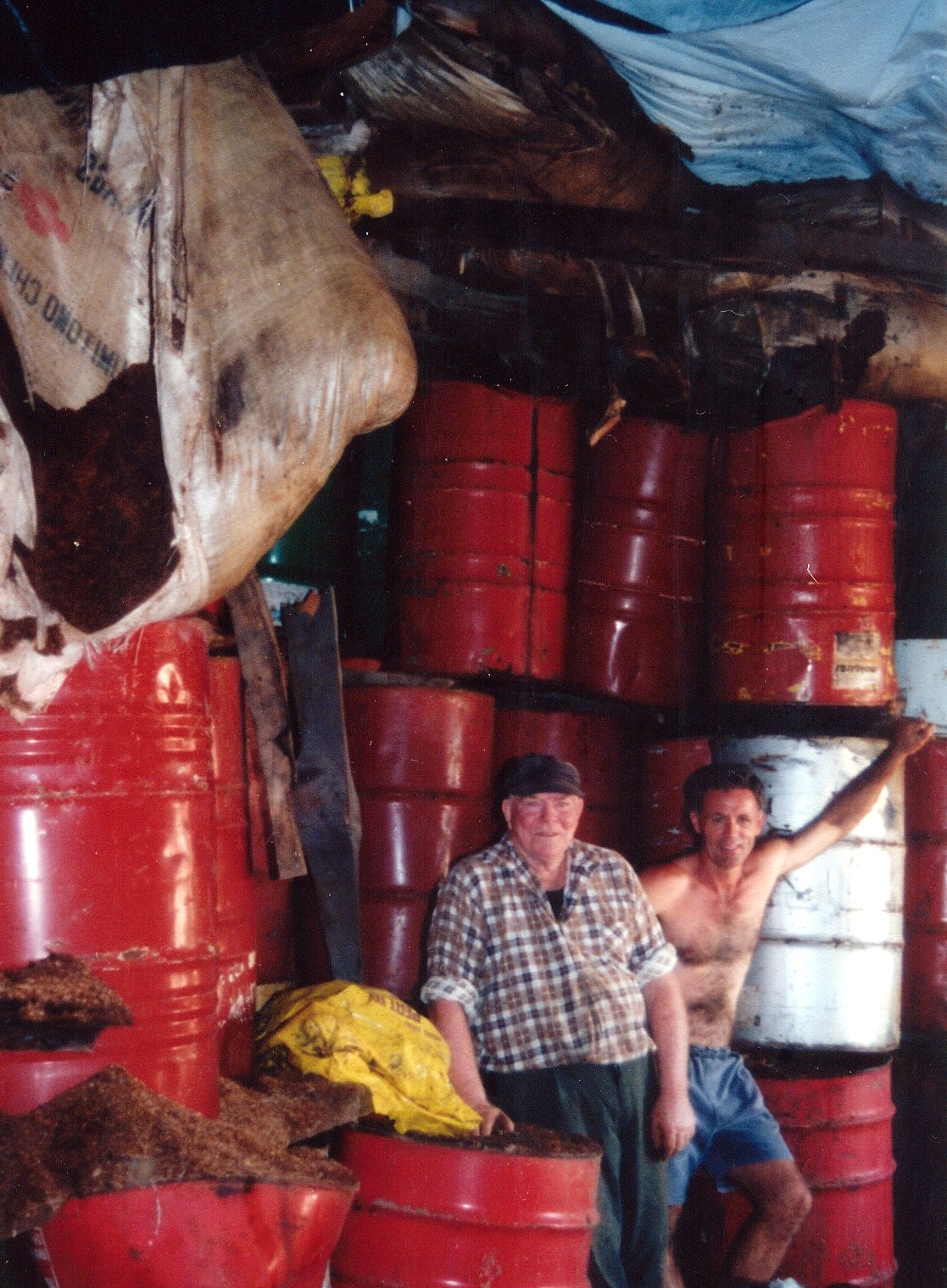
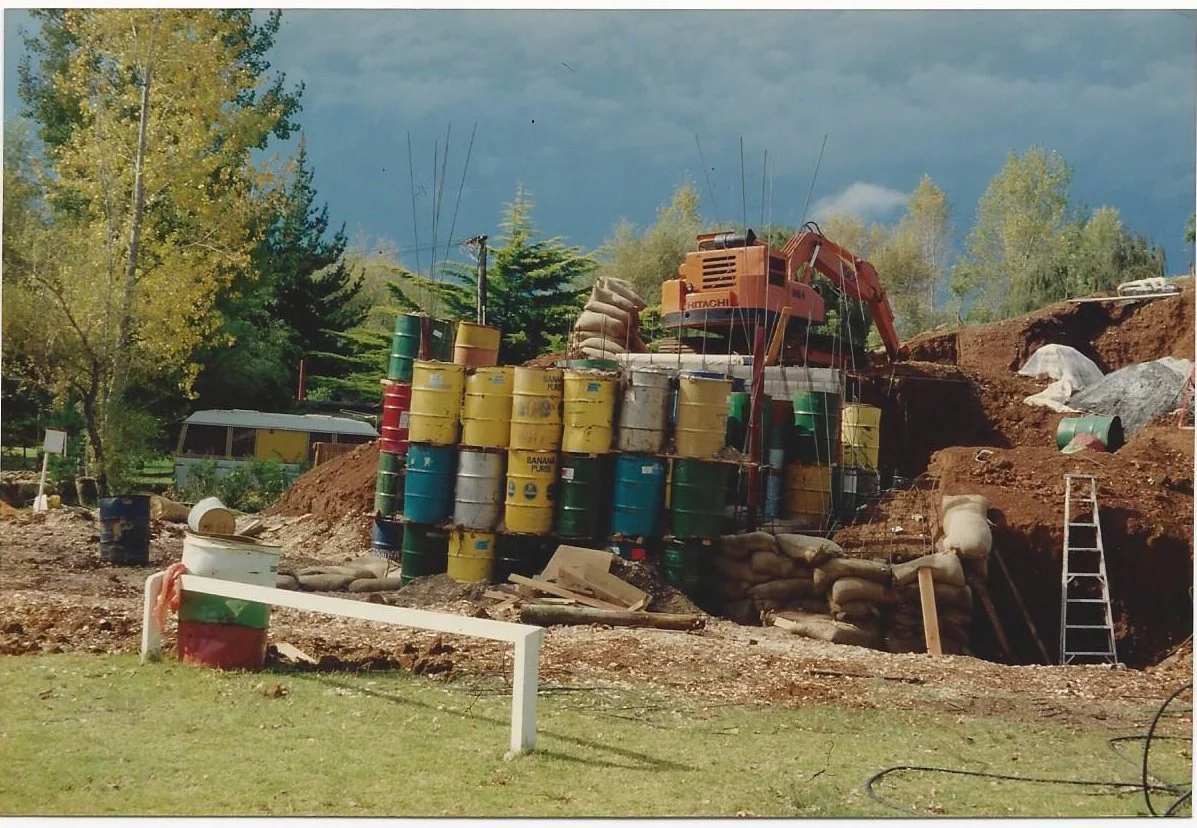
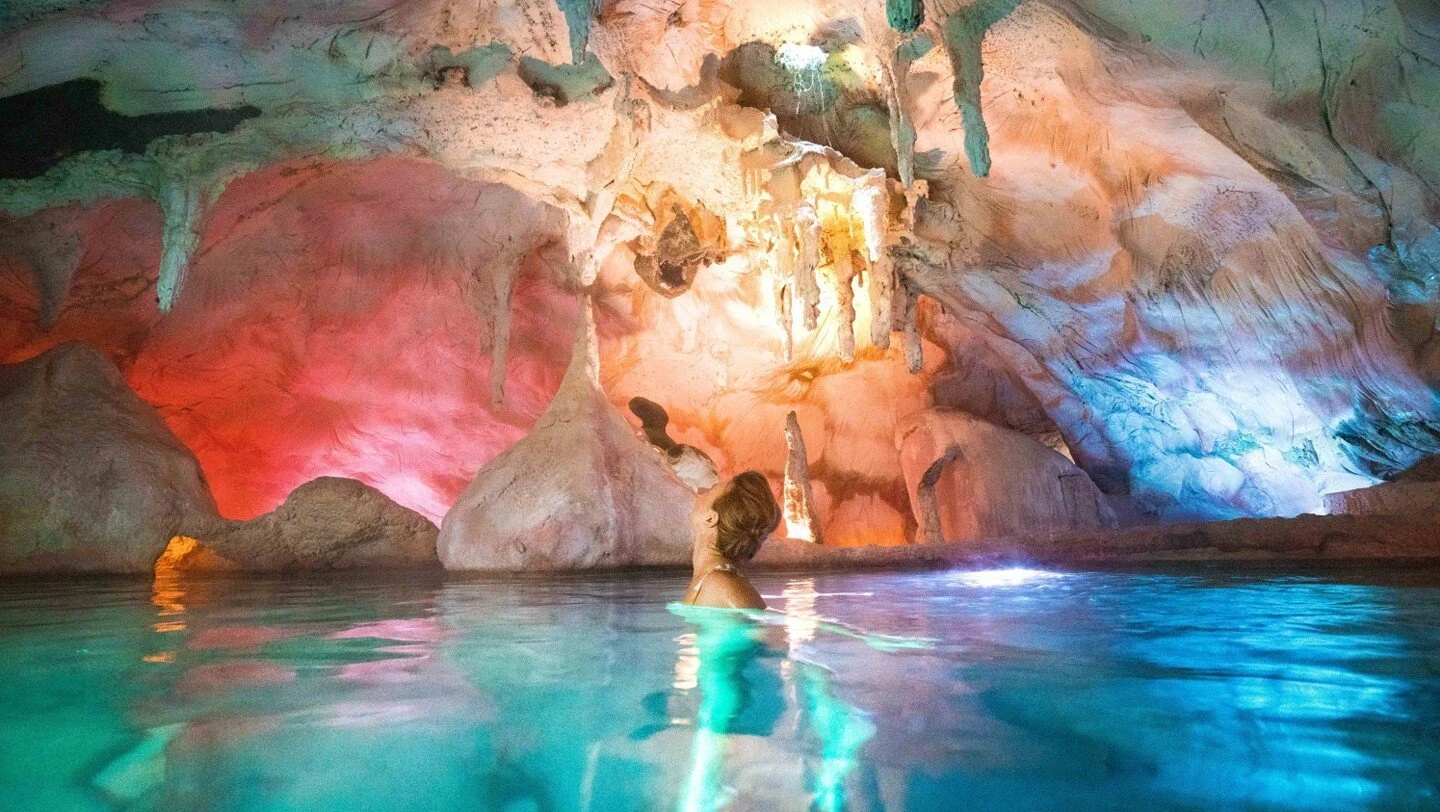
To create the amethyst cave and waterfall, Alan brought in 360 44-gallon drums and 7 truckloads of sawdust to put into sandbags. These were piled up to create the structure to build the cave and the water fall above, the sandbags made the impressions found in the ceilings of the grotto and amethyst cave.
Alan also tried to establish a glow worm cave. He went out every night for three months one winter collecting the worms and transferring them into the miner’s cave by the bridge. On several occasions just feet from the road he got lost in the darkness of the Coromandel night scrambling around for hours and terrifying his girlfriend. His forays were quite successful, and the glow worms rapidly multiplied to hundreds but then they were devastated by spiders and sadly we have none left.

A Personal Thank You
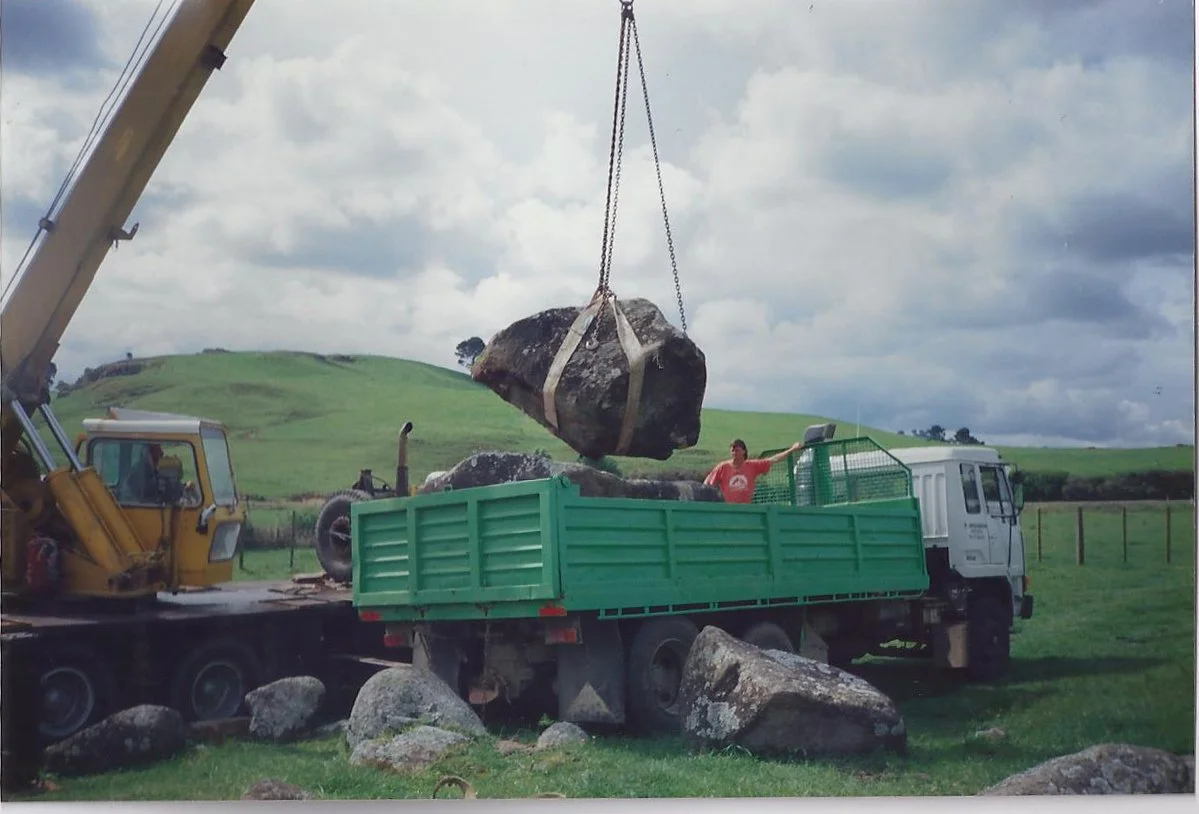
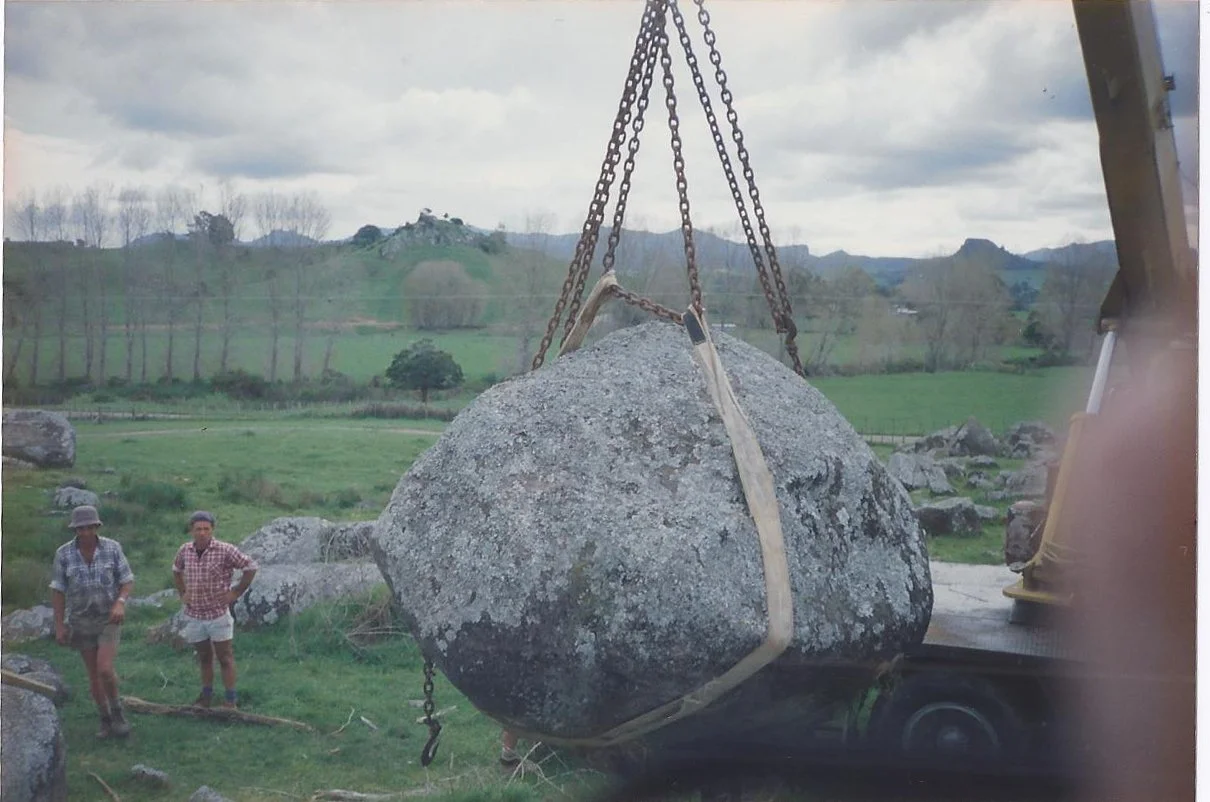
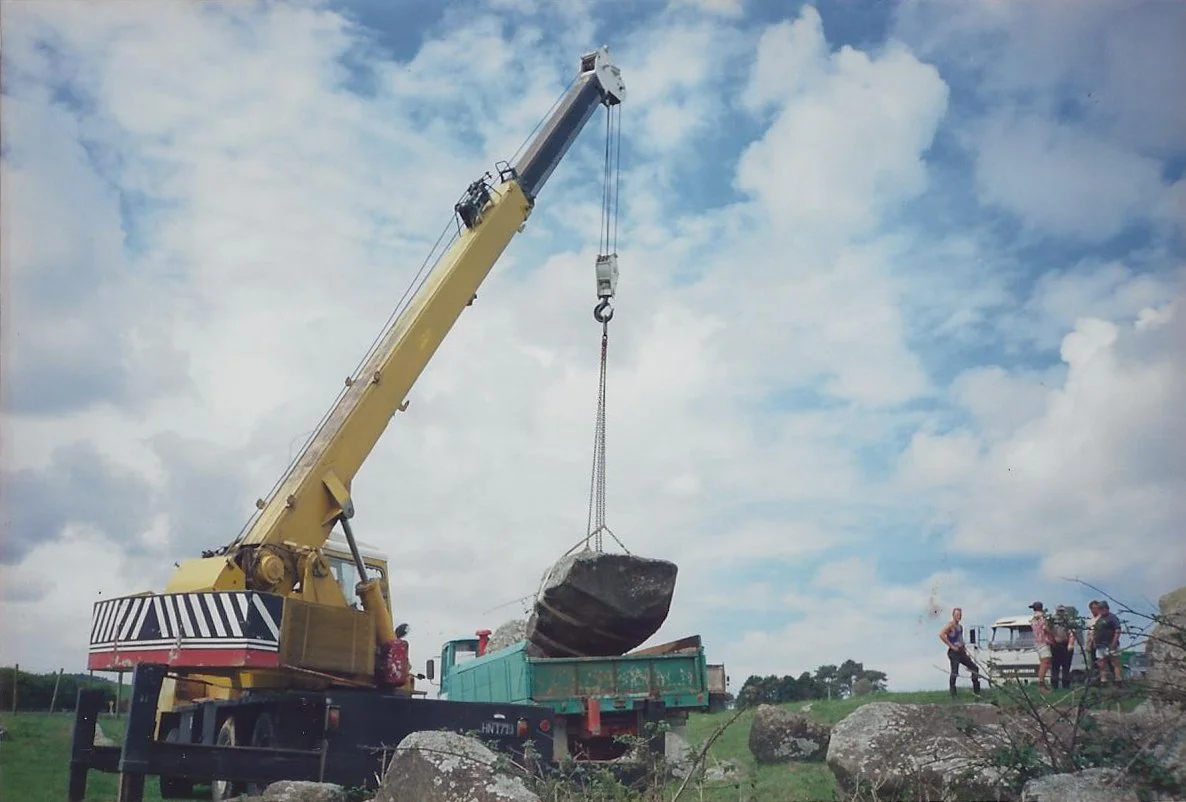
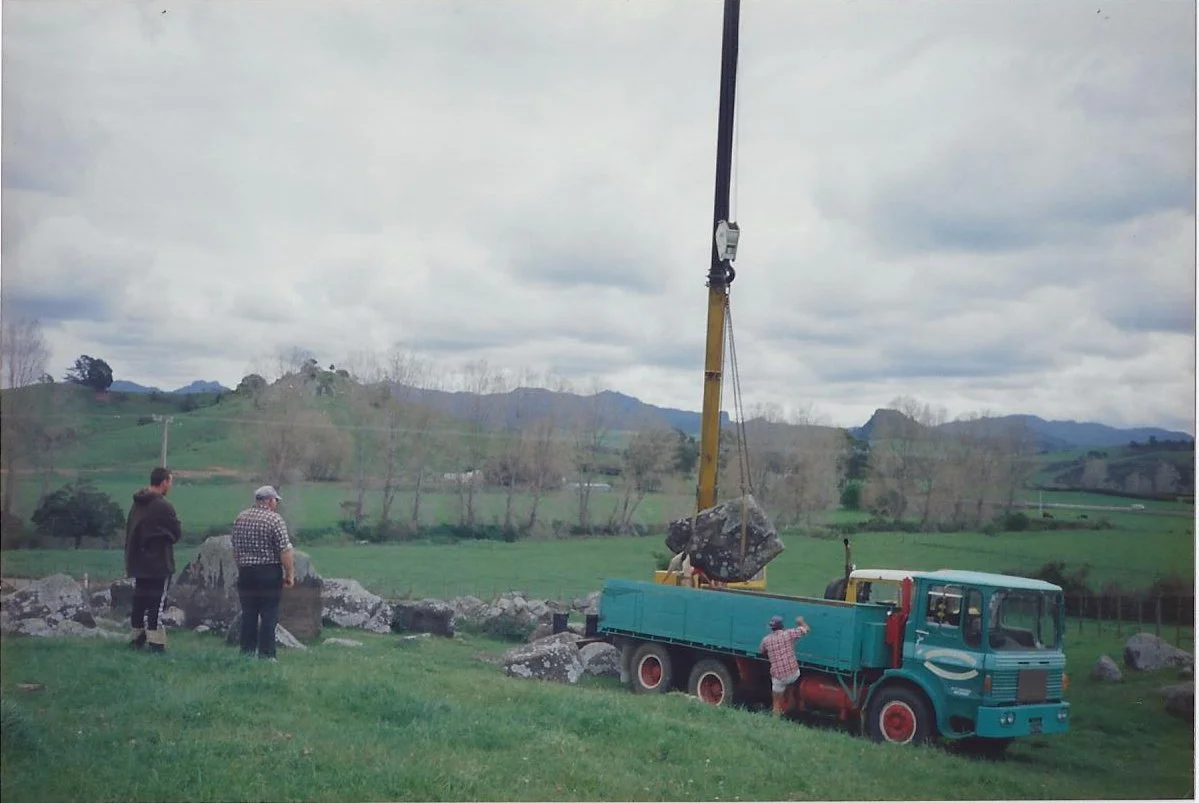
Incredibly many people volunteered their time throughout the build, which I am ever grateful for. Others offered me treasures to include in The Lost Spring including nine truckloads of salvaged Kauri logs from the hills surrounding Whitianga, 24 hand dug 30-foot nikau palms from a forest that was to be milled, eight truckloads of volcanic boulders from the fields of a farm on Kapowai Road, the bar from the Whitianga Pub and tumbled stones from my Uncle Bert and many other things. I am ever grateful to every one of you, for believing.
I’m just so grateful, for the journey, for the people who believed in this vision, and for everyone who’s supported The Lost Spring. Behind the scenes, many hands and hearts have helped bring this to life. I’m proud of what we’ve created together.
Thank you. Alan